Los Angeles Travel Guide: Navigate Neighborhoods, Transit, Food & Outdoor Life
Los Angeles keeps reinventing itself while staying true to what draws people here: warm light, creative energy, and a mix of cultures that shape food, music, and street life. For residents and visitors alike, understanding how the city is changing helps you get more out of its neighborhoods, transit, and outdoor lifestyle.
Transit and getting around
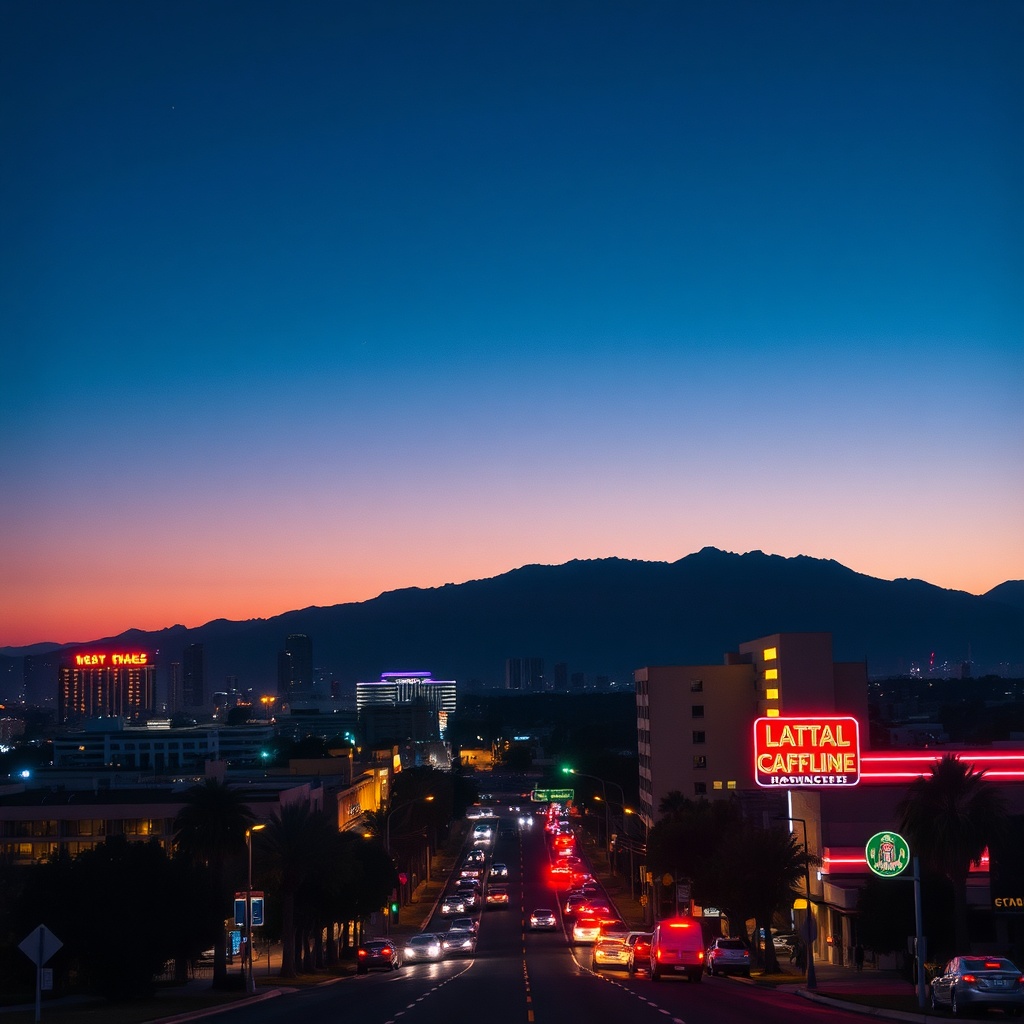
Traffic remains famously challenging, but mobility options have expanded.
Light rail and subway extensions are improving connectivity across major corridors, and a growing network of dedicated bus lanes moves riders faster through congested streets. LAX and downtown are more accessible with new people-mover services and improved station connections, making transfers between flights, rail, and rideshares easier.
Micromobility is mainstream: shared e-scooters and e-bikes fill short-trip gaps and offer a practical way to navigate dense neighborhoods. For a smoother experience, combine rail or bus for the backbone of the trip and micromobility for the last mile.
Neighborhoods worth exploring
The city’s neighborhoods are a study in contrasts, each with distinct flavors. Downtown pulses with arts institutions, adaptive reuse lofts, and a growing culinary scene. Koreatown mixes 24-hour eateries and wellness spas, while Echo Park and Silver Lake attract indie music venues, coffee shops, and lakeside strolls. For the coastline, Venice and Santa Monica balance boardwalk energy with artisan markets and beachside bike paths. Exploring on foot or by bike reveals hidden murals, pop-up markets, and neighborhood bakeries that define local life.
Food and culture
Los Angeles remains a global food capital because of its immigrant communities and inventive chefs.
From hole-in-the-wall tacos to elevated fusion tasting menus, culinary experimentation thrives.
Farmers markets and community-supported agriculture connect urban diners with fresh produce, while rooftop bars and outdoor dining setups make alfresco meals a regular pleasure. Cultural institutions and independent theaters keep the arts accessible, with galleries, music venues, and performance spaces presenting a steady rotation of local and international talent.
Climate resilience and green living
As a sun-drenched, coastal metropolis, Los Angeles is focused on resilience: water conservation, urban greening, and heat mitigation are priorities. City initiatives encourage drought-tolerant landscaping, rainwater capture, and recycled-water projects to reduce reliance on distant sources.
Urban forestry programs expand tree canopy in heat-vulnerable neighborhoods, and green infrastructure—bioswales, permeable pavement, and pocket parks—helps manage stormwater while improving public space.
Housing and community
Housing affordability challenges remain a major concern, prompting policy shifts and new housing typologies. Accessory dwelling units, mixed-use buildings, and transit-oriented development are reshaping where people live and how neighborhoods evolve.
Community-led small-business preservation efforts aim to keep local character intact as new developments arrive.
Practical tips for visitors
– Time visits to popular corridors outside peak commute hours to avoid traffic and long waits.
– Use transit for major corridor trips and micromobility for short distances.
– Pack layers—coastal breezes and inland warmth can vary significantly in a single day.
– Seek out neighborhood markets and food halls to sample diverse, affordable cuisine.
Los Angeles remains a city of possibilities: creative careers, culinary discoveries, and an outdoor lifestyle that rewards exploration. Approaching it with curiosity and a multimodal travel plan will help you experience the city’s best offerings without getting bogged down by its scale.