How Virtual Production and LED Volumes Are Transforming Filmmaking Workflows
Virtual production and LED volumes: how filmmaking’s toolkit keeps evolving
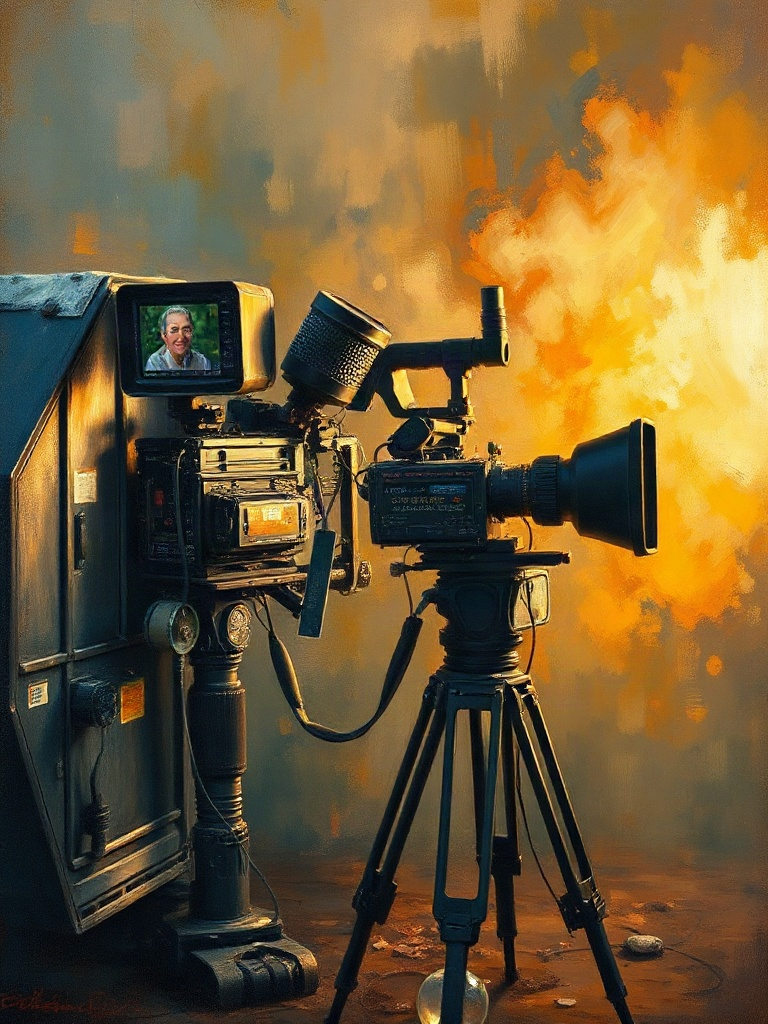
Filmmaking is shifting as virtual production tools move from high-end showcases into everyday production workflows. Today’s directors, cinematographers, and producers use LED volumes and real-time rendering to blend digital environments with live action, changing how stories are planned, shot, and finished.
What virtual production brings to a set
Virtual production replaces green screens with large LED walls that display photoreal backgrounds driven by game-engine-style renderers. Cameras capture live action with in-camera VFX, so actors see and react to their environment, and cinematographers frame shots with accurate parallax, perspective, and lighting. This creates a more natural performance and reduces hours spent building environments in post.
Key advantages
– Faster iteration: Backgrounds and lighting can be adjusted on the fly, letting directors explore different settings without waiting for lengthy post VFX passes.
– Cost and scheduling efficiency: Big set builds and remote location travel shrink when digital environments provide realistic substitutes. For productions with complex schedules, that flexibility can cut overall time and expense.
– Creative collaboration: Departments collaborate in real time—production design, VFX, and camera teams work together during the shoot rather than handing a scene off between phases.
– Better actor performance: When performers can see the world around them instead of imagining it against a blank screen, emotional stakes and interactions feel more authentic.
– Sustainability: Reduced travel and smaller physical sets help lower carbon footprints, aligning production workflows with sustainability goals.
Practical considerations before building a volume
Virtual production isn’t a one-size-fits-all solution. Upfront investment in LED walls, real-time rendering hardware, and skilled operators is significant. Lighting and reflections need careful management—LED panels can create color casts or reveal themselves in glossy surfaces if not properly integrated. Camera motion tracking and lens profiling must be precise to preserve realism. For some projects, traditional sets or on-location shooting still offer unmatched authenticity.
Where it fits best
Virtual production excels for scenes that demand controlled, repeatable environments—fantasy worlds, night exteriors, or complex spaceship interiors, for example. It’s also ideal for shoots constrained by weather, geography, or tight timelines.
Lower-budget productions increasingly access scaled-down LED stages or virtual scouting tools, making the approach viable beyond blockbuster tentpoles.
The near-future of production workflows
Expect hybrid approaches to become routine: combining limited location shoots with LED-enhanced sets and real-time compositing in post. As tools become more accessible, smaller teams will produce visually ambitious content with leaner budgets. Training and previsualization will gain importance, since a well-planned virtual shoot maximizes the technology’s advantages.
For filmmakers focused on storytelling, the promise is clear: virtual production offers new creative freedom without sacrificing cinematic quality. When technology serves the narrative—enhancing performance, simplifying logistics, and opening imaginative possibilities—it becomes another tool to deliver memorable cinema to audiences everywhere.