How Social Media Reshaped Celebrity Gossip: A Fan’s Guide
Headline: How social media reshaped celebrity gossip — what fans need to know
Celebrity gossip has always thrived on mystery and immediacy. What has changed is where and how that gossip spreads. Social platforms have turned private moments into public events, shifted power toward talent and their teams, and created a nonstop cycle of reveals, reactions, and reinventions. For anyone who follows stars, influencers, and pop culture, understanding these dynamics makes the gossip more interesting—and less chaotic.
Why the spotlight feels so different
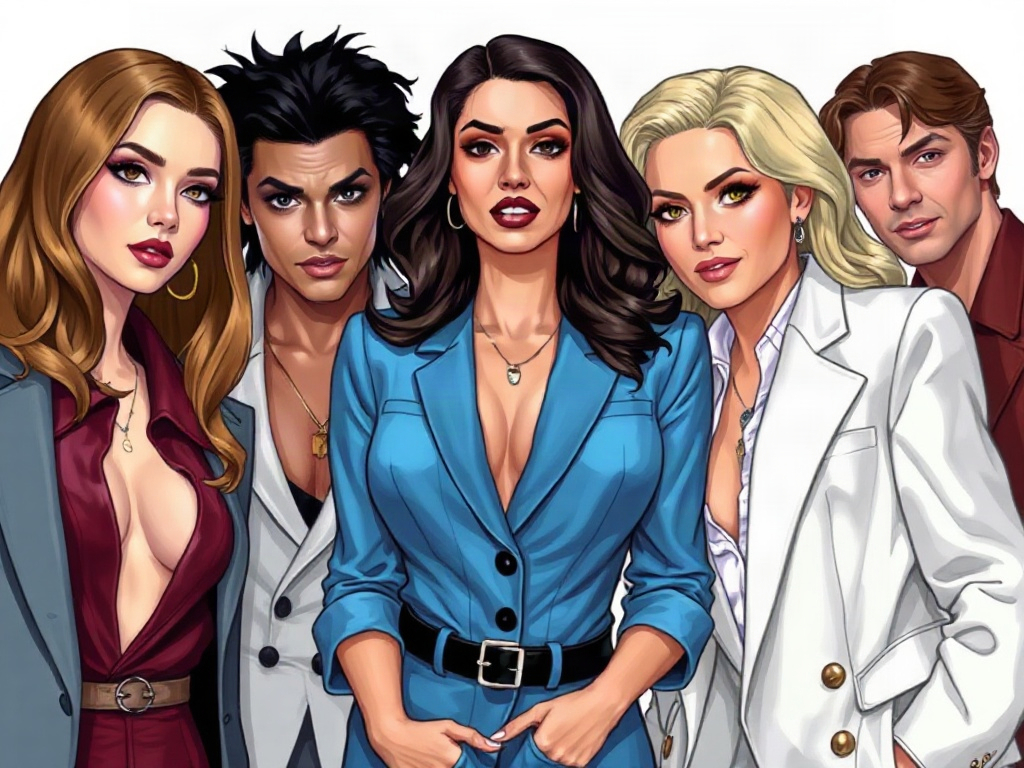
Traditional tabloids and paparazzi used to set the agenda.
Now celebrities can post directly to millions, releasing curated photos, surprise announcements, and carefully timed collaborations. That control lets them shape narratives, whether it’s a relationship reveal on social media, a music drop with no prior publicity, or a staged reunion meant to spark headlines. At the same time, leaks and unauthorized videos still surface, so the tension between managed messaging and raw exposure creates the moments that feed gossip columns.
The rise of PR-first drama
Publicists and brand managers are now central players in gossip stories.
When a controversy emerges, talent teams often prepare rapid responses—apologies, exclusive interviews, or philanthropic pivots—to steer attention away from damage and toward redemption. This PR choreography influences which stories trend and which fade. Brands also enter the mix: endorsements and partnerships can amplify a celebrity’s visibility or, conversely, trigger backlash if an association clashes with audience values.
Friendships, feuds, and fandoms as story engines
Online communities magnify every rumor. Fan accounts, influencer comment sections, and private-group sleuths dissect posts and old footage, creating theories that often spread faster than official statements. Friendly interactions between high-profile figures can generate rejoiceful trending moments; perceived slights or unfollowings can spark viral feuds.
Fandoms themselves act like mini-newsrooms, amplifying what they want audiences to see and piling on when they feel their favorite artist has been wronged.
Cancel culture and the comeback playbook
Public missteps are amplified, but so is the pathway back. Some celebrities face intense public criticism, then use a combination of personal reflection, charitable work, and strategic collaborations to rebuild reputation. Others double down and find that certain audiences remain loyal. The pattern is less predictable than a few years ago: accountability cycles run on social attention, and outcomes depend on sincerity, select partnerships, and the speed of response.
What this means for consumers of gossip
– Expect curated reveals and staged moments as much as true surprises. A dramatic headline may be timed as much for clicks as for authenticity.
– Watch the source. Social posts, verified accounts, documentary projects, and mainstream outlets carry different degrees of confirmation.
– Recognize the role of fandoms. Devoted communities fuel narratives and can be as influential as the celebrities themselves.
– Be skeptical of viral sleuthing. Deep dives can be entertaining, but they sometimes conflate coincidence with intent.
The evergreen appeal of celebrity stories is unchanged: people want connection, drama, and the vicarious thrill of seeing fame up close. Social media has simply added new tools and players to the mix. For readers who love gossip, that means faster news, smarter PR plays, and more opportunities to participate—if you know how the machinery works.