Explore Los Angeles by Micro-Mobility: The Practical E-Scooter & E-Bike Guide
Discover Los Angeles by micro-mobility: a practical guide to exploring the city on two small wheels
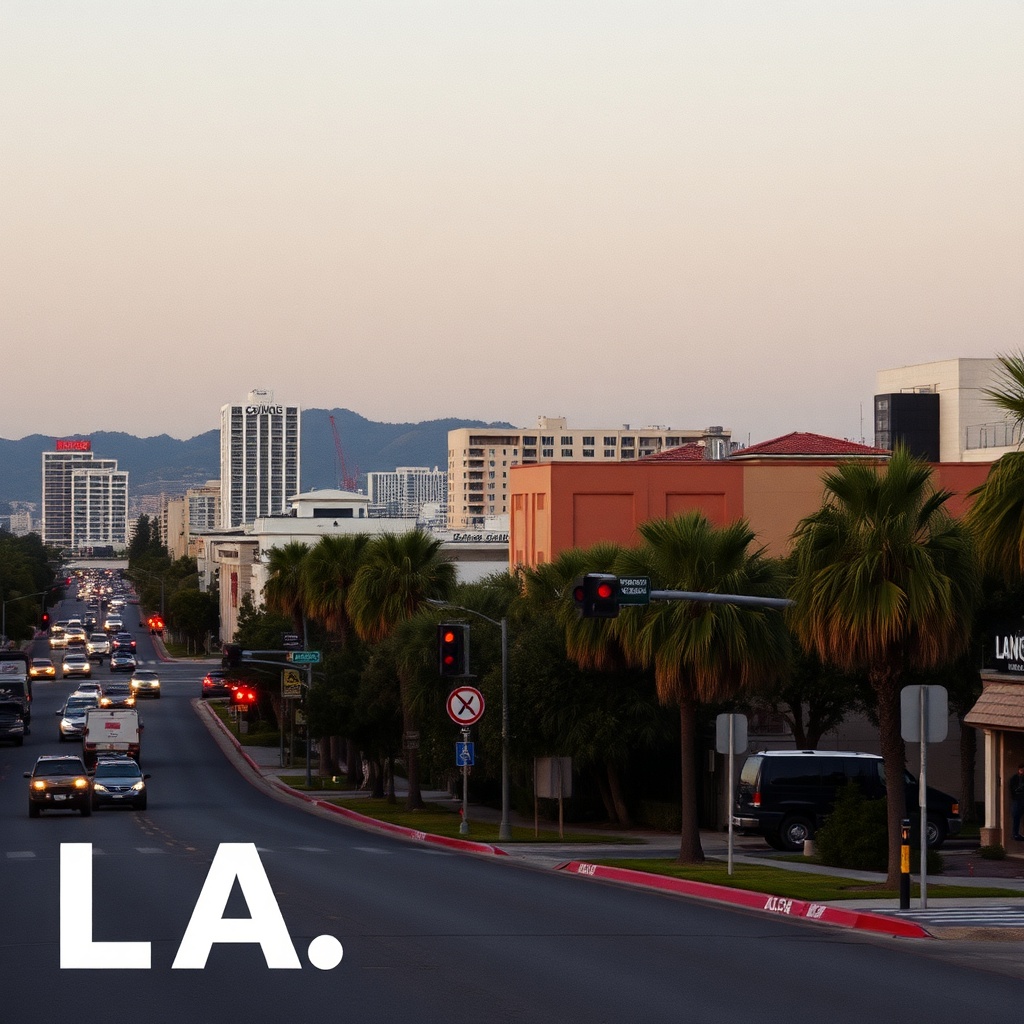
Los Angeles is shedding its image as a car-only metropolis.
Micro-mobility—e-scooters, e-bikes, pedal bikes, and dockless options—is changing how Angelenos and visitors move, explore neighborhoods, and connect with transit. Whether navigating beach paths, heading to a coffee shop, or linking to a Metro ride, micro-mobility offers flexibility, lower cost, and a greener footprint.
Why micro-mobility works in L.A.
– Dense neighborhood centers: Walkable pockets like Downtown, Silver Lake, Echo Park, and Venice are ideal for short trips.
– Growing bike infrastructure: Protected lanes, traffic-calmed streets, and expanded bike paths make many routes more comfortable and safer.
– Transit integration: Micro-mobility fills the first- and last-mile gap to Metro stations and major hubs, reducing dependence on car parking.
Safety and rules to keep in mind
– Wear a helmet and choose visible clothing. While regulations can vary, protecting your head and being seen are timeless safety steps.
– Obey traffic signals, ride with the flow of traffic on streets, and use bike lanes when available.
Sidewalk riding is discouraged in many areas; respect local signage.
– Park considerately: leave scooters and bikes clear of sidewalks, doorways, and ADA ramps.
Proper parking prevents fines and keeps sidewalks accessible.
– Check the device before you ride: brakes, tires, and lights should all function. Many apps show battery levels and basic diagnostics.
Best micro-mobility routes and neighborhoods
– Beach corridor: Venice to Santa Monica along the bike path offers scenic ocean views and easy stops at cafés and shops.
– LA River paths: Sections of the river have bike-friendly trails that connect multiple neighborhoods and parks.
– Downtown and Arts District: Short distances between attractions make e-scooters and bikes an efficient way to hop between galleries, markets, and food halls.
– Griffith Park and reservoirs: For a quieter ride with green space, some feeder streets and park paths offer pleasant loops—use caution on steeper grades.
How to combine micro-mobility with transit
– Use the apps: Many scooter and bike services integrate with transit apps for route planning and combined trips.
– Plan for last-mile: Drop off a device near transit stations to continue by rail or bus, then pick another for the final stretch from the station to the destination.
– Check transit rules: Some transit systems allow folded bikes on board; regulations for larger e-bikes or scooters differ—verify before you travel.
Tips for visitors and newcomers
– Start slow in dense traffic and test acceleration and braking in a safe area before venturing into busy streets.
– Budget for short trips: micro-mobility is ideal for 5–20 minute hops; for longer rides, look for rental plans or hourly bike options.
– Be mindful of the environment: choose devices that follow local parking rules and report misplaced units through the app.
Micro-mobility is reshaping how people experience Los Angeles—making the city’s diverse neighborhoods more accessible, reducing car trips, and unlocking new ways to enjoy its public spaces.
With basic safety awareness and respectful riding habits, scooters and bikes are a fast, fun way to explore L.A.’s neighborhoods, waterfronts, and cultural corridors.