Los Angeles River Guide: Where to Bike, Paddle, and Explore the Reimagined Urban Waterway
Los Angeles River: how the city’s concrete artery became a place to bike, paddle, and explore
Once synonymous with gray, flood-control channels, the Los Angeles River is now one of the city’s most interesting urban transformations.
What started as a hard-engineered waterway has been gradually reimagined into continuous green corridors, wildlife habitat, public art venues, and active-transport routes — a different kind of urban backbone that invites Angelenos and visitors to discover a new side of the city.
What to expect along the river
The river’s character shifts as it runs through neighborhoods: concrete-lined stretches give way to softer banks and native planting in revitalized reaches. Look for long, accessible multiuse paths popular with cyclists, joggers, and families. Kayak and paddle opportunities are available at select launch points, and birdwatchers often spot herons, egrets, and migratory species among the willows and reeds.
Public art — from large-scale murals to smaller installations — punctuates several segments, reflecting the neighborhoods that flank the river.
Best stretches and highlights
– The Glendale Narrows: This verdant stretch is known for its soft banks and long bike paths, making it a favorite for cycling and nature walks. It’s also rich in riparian habitat, offering good wildlife viewing.
– Elysian Valley (Frogtown): A neighborhood with an active community presence, creative projects, and access points for paddling. Local cafes and small businesses make it easy to pair a ride or walk with a coffee stop.
– Downtown and adjacent sections: As the river moves through denser urban areas, look for plazas, bridges, and public spaces where cultural events and markets sometimes pop up.
– Long Beach/Lower River areas: Near the river’s mouth, interpretive signage and restored landscapes highlight coastal connections and water-management features.
Practical visiting tips
– Plan your route: The river spans many neighborhoods and access points aren’t evenly spaced. Use an up-to-date map or a local trail app to connect segments and find parking or transit options.
– Bring essentials: Water, sunscreen, a helmet for biking, and a lock for your bike.
If you plan to paddle, check rental availability and permit rules before arriving.
– Time your visit: Early morning and late afternoon offer cooler temperatures, calmer light for photos, and more active wildlife. Weekends can be busier on popular stretches.
– Respect habitat and neighbors: Stick to designated paths, keep dogs leashed where required, and pack out any trash. Many restoration projects rely on local stewardship, so leave plants and nesting areas undisturbed.
Why it matters
The river revitalization is about more than recreation. Projects along the channel aim to improve flood resilience, increase urban green space, and enhance stormwater capture for local use. Restoring native plants and reconnecting fragmented habitats help urban wildlife thrive while providing more equitable access to parks and active-transport options for adjacent communities.
Getting involved
Community groups and stewardship organizations regularly host cleanups, plantings, and guided walks. Volunteering is an easy way to learn the river’s history, meet neighbors, and support ongoing restoration. Local visitor centers and community noticeboards are good starting points for finding events and volunteer opportunities.
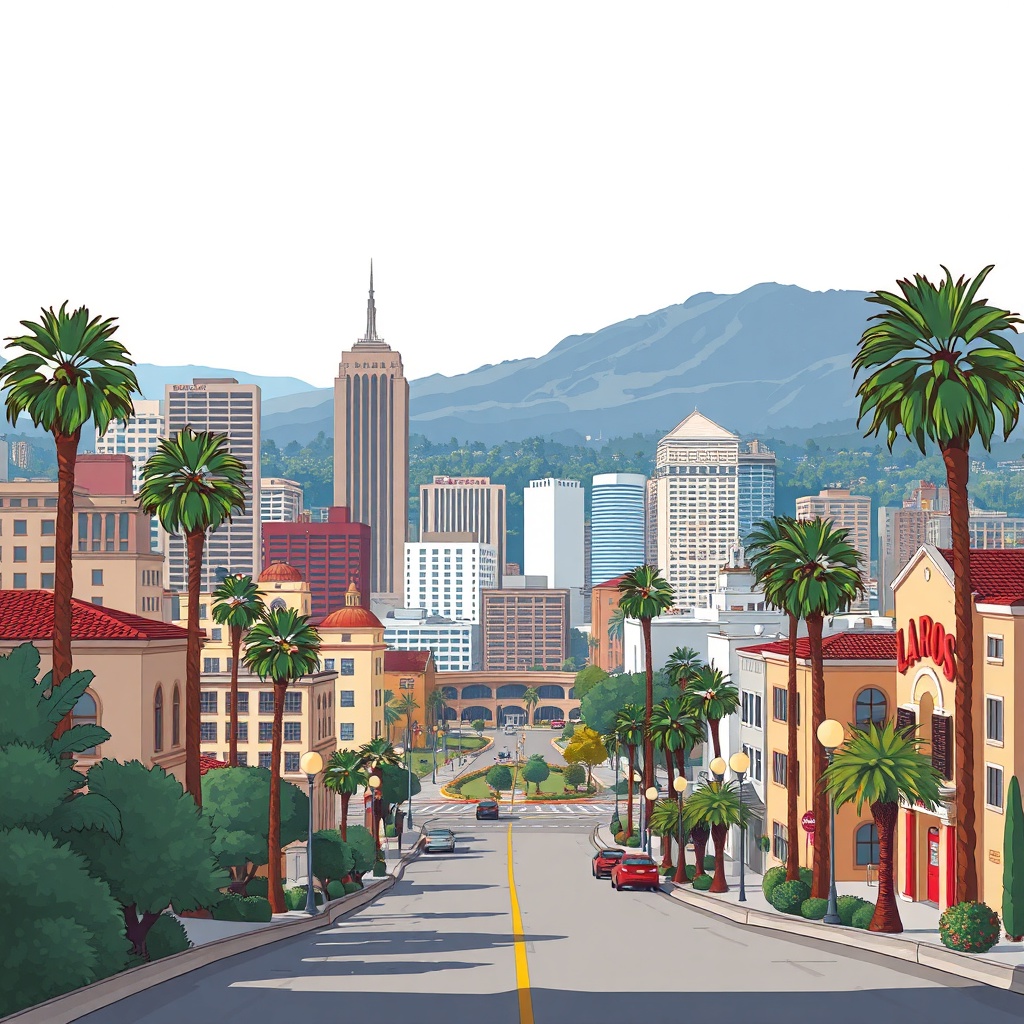
Whether you’re looking for a peaceful morning walk, a bike ride that cuts across the city, or an urban paddle, the Los Angeles River now offers multiple ways to experience urban nature. Keep an eye on signage and local resources for the latest access information, and enjoy discovering a part of L.A. that’s been reimagined for people, wildlife, and resilience.