How LED Volumes and Virtual Production Are Reshaping Filmmaking: Benefits, Challenges, and Best Practices
Virtual production is reshaping how films and series are made, blending real-time rendering, LED volume stages, and traditional filmmaking craft to create immersive, efficient sets. What began as a novelty on big-budget soundstages has matured into a versatile toolkit that benefits projects of many sizes.
How LED volumes work
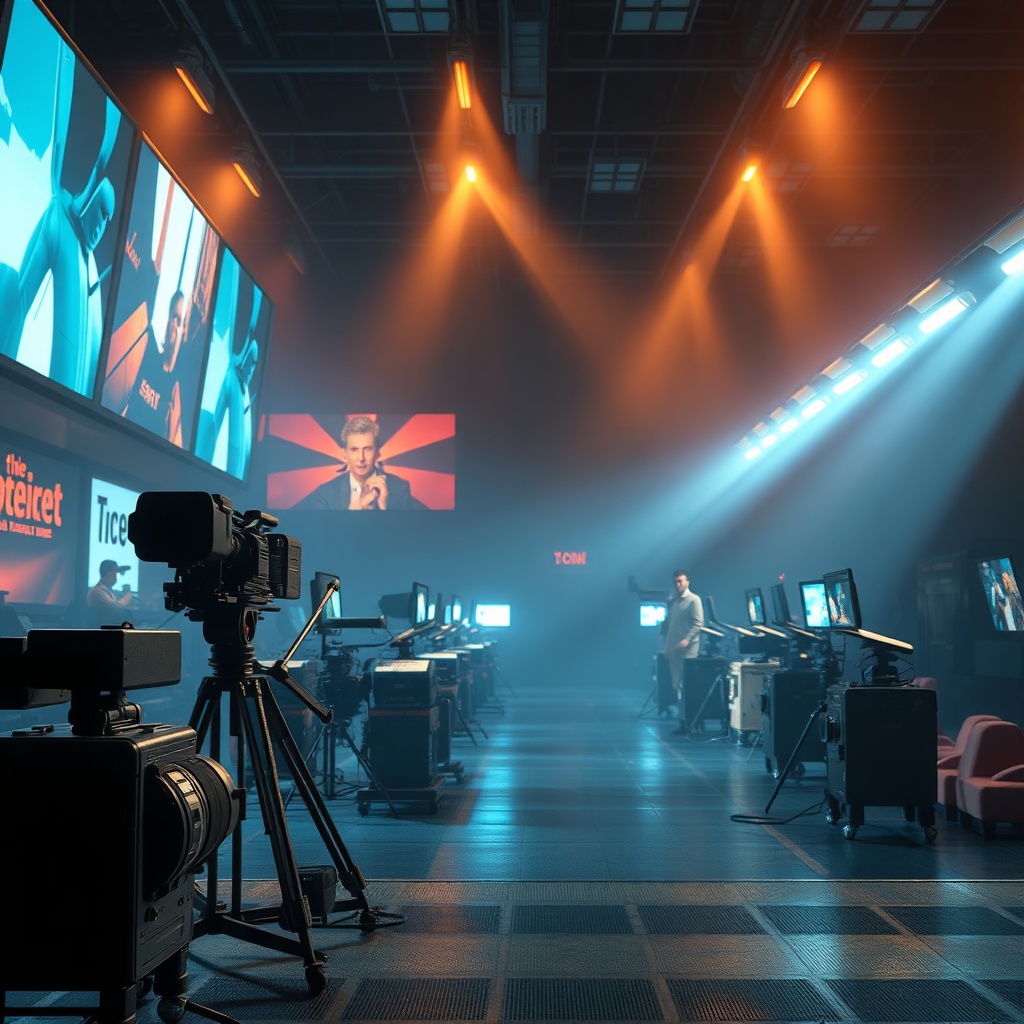
An LED volume is a curved wall (and sometimes ceiling) of high-resolution LED panels displaying real-time backgrounds rendered by a game engine like Unreal Engine. Cameras capture actors and practical props in front of these dynamic environments, with the virtual background responding to camera moves and lighting. Real-time rendering replaces green-screen backplates, providing in-camera visual effects and authentic interactive lighting.
Key benefits
– Realistic lighting and reflections: LED screens cast natural light and reflections on faces, costumes, and props, reducing the need for complex post-production relighting.
– Improved actor performance: Seeing and reacting to the environment boosts performance compared with imagining a green-screen backdrop.
– Faster iteration: Directors and cinematographers can adjust virtual environments, time of day, or weather on set and immediately evaluate the result.
– Reduced location costs and travel: Many scenes that once required remote shoots can be staged on an LED volume, cutting logistics and environmental impact.
– Streamlined VFX pipeline: Capturing final-look plates in camera minimizes compositing work later, shifting effort toward creative refinement instead of heavy stitching.
Production considerations
– Upfront investment: Building or renting an LED volume and assembling a real-time team requires capital and planning. However, rental markets, smaller-scale volumes, and shared stages are making access more feasible.
– Technical coordination: Color pipeline management, camera metadata, lens distortion correction, and sync between tracking systems and engines are critical. Early testing of camera/lens/LED combinations prevents surprises on shoot day.
– Creative constraints: Parallax and extreme close-ups can reveal seams or pixel structure; some shots still benefit from traditional VFX or green-screen techniques. Thoughtful shot design mitigates limitations.
– Cross-disciplinary crews: Successful virtual production blends roles—VFX supervisors, TDs, game-engine artists, cinematographers, and production designers must collaborate from previsualization through post.
Best practices for teams
– Previsualize extensively: Use previs to experiment with stage layouts, camera moves, and lighting setups to save valuable on-set time.
– Build a robust color workflow: Calibrate LED panels, monitor feeds, and ensure consistent LUTs between on-set and post to maintain color fidelity.
– Start hybrid: Combine LED volumes with targeted location shoots or traditional VFX to balance realism, cost, and artistic needs.
– Invest in training: Upskilling camera crews and directors in real-time tools increases creative options and reduces on-set friction.
Where this technology is headed
Real-time rendering continues to accelerate, driven by improvements in engine performance, LED pixel density, and cloud-based collaboration. Smaller, more mobile LED solutions and networked remote workflows are expanding who can use virtual production—beyond tentpole studios to indie filmmakers, commercials, and episodic teams.
As tools become more accessible, the emphasis is shifting toward creative problem-solving: choosing the right blend of virtual and practical techniques to serve story and performance.
For filmmakers and producers looking to stay competitive, adopting virtual production thoughtfully—paired with traditional craft—unlocks new efficiencies without sacrificing cinematic quality.