The Rise of Event Cinema: Why Theatrical Moviegoing Still Matters in the Streaming Era
Why Theatrical Moviegoing Still Matters: The Rise of Event Cinema
The conversation about movies often starts with streaming, but the theater experience is far from obsolete.
Recently, both studios and exhibitors have doubled down on what makes cinema unique: immersion, community, spectacle. That shift has turned many releases into true events rather than just another title in an endless streaming library.
What’s driving the resurgence
– Premium formats: Large-format screens, high-frame-rate presentations, and immersive sound systems continue to draw audiences who want a sensory experience they can’t replicate at home. IMAX, Dolby Cinema, and other premium offerings remain a key selling point for blockbuster titles.
– Event programming: Filmmakers and distributors now treat certain releases as happenings—premieres, limited theatrical runs, live Q&As, and extended editions that create urgency and social buzz.
– Curated revival screenings: Restorations and anniversary runs of classics bring older audiences back to theaters and introduce younger viewers to film history in a communal setting.
– Hybrid release strategies: While streaming is essential for reach, many releases are given a theatrical window designed to maximize both box office and long-term platform value. That balance helps filmmakers recoup budgets and keeps theaters relevant.
Why audiences return
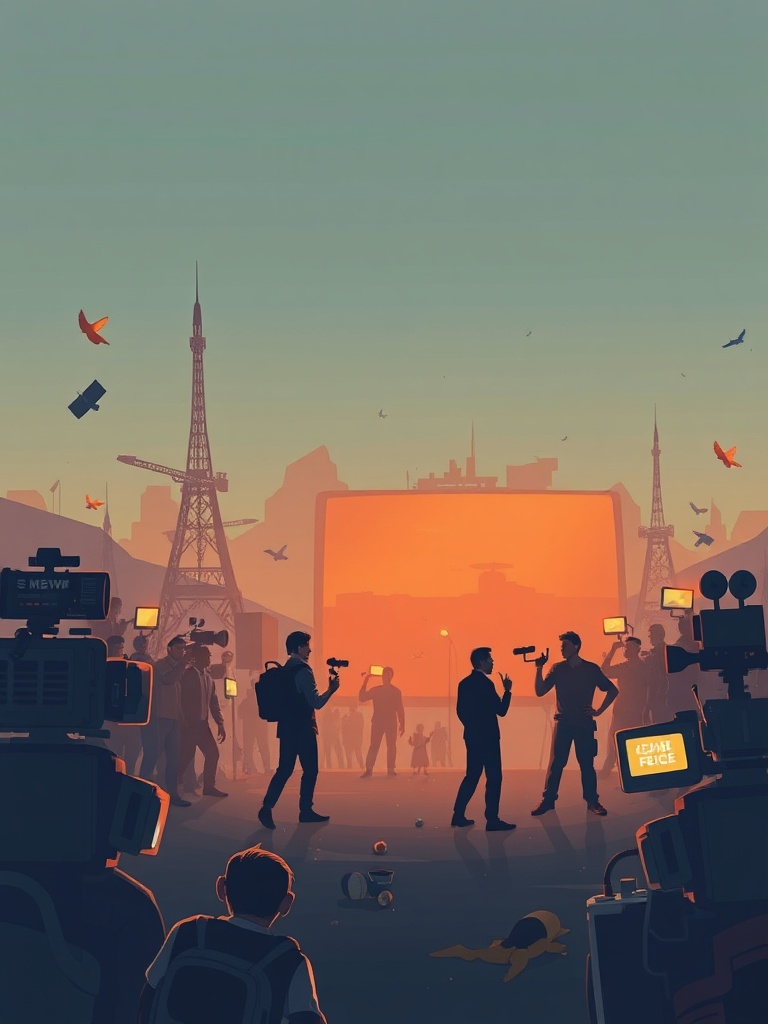
– Social connection: Watching a film with a crowd amplifies emotion—laughter, gasps, applause—which creates shared memories impossible to achieve alone.
– Ritual and occasion: For many, going to the movies is a planned outing—date night, family event, or a night with friends—rather than passive, crumb-filled sofa viewing.
– Technical superiority: Even the best home setups can’t match some aspects of the theatrical experience: screen size, calibrated projection, and specialized audio systems.
Opportunities for filmmakers and distributors
– Make it an event: Premiere nights, director discussions, tailored merchandise, and collectible physical media turn a release into an experience worth attending.
– Leverage exclusivity: Limited theatrical engagement or bonus content only available in cinemas can drive early interest and word-of-mouth.
– Collaborations with exhibitors: Creative tie-ins—like themed concessions, pop-up installations, or immersive pre-show experiences—extend the storytelling beyond the screen.
Tips for moviegoers
– Look for premium screenings for big spectacles; they often justify the ticket price for the difference in visuals and sound.
– Follow local independent theaters and repertory cinemas—these venues frequently offer special events, guest talks, and restorations you won’t find on streaming platforms.
– Use loyalty programs and subscription passes when available to lower per-visit costs and benefit from exclusive offers.
What this means for the future of movies
Theatrical exhibition is evolving into a complement to streaming rather than a rival.
Films built around spectacle, strong communal appeal, or unique presentation will continue to benefit from theatrical windows.
Meanwhile, intimate dramas and niche titles can find life on digital platforms with theatrical play used strategically to build prestige and audience connection.
For audiences, that means more choices: the convenience of on-demand viewing paired with curated, must-see theatrical moments.
For creators, it offers multiple pathways to reach viewers while preserving the art of presenting cinema as a shared event. The theater remains a place where stories feel bigger, sounds hit harder, and a packed room can turn a movie into a memorable cultural moment.