How Nostalgia Powers Reboots and Keeps Franchises Fresh
Nostalgia has a gravitational pull on entertainment.
From reboots and revivals to legacy sequels and anniversary reunions, familiar franchises keep finding new life—and new audiences—across film, television, theater, and streaming. But why does this trend persist, and how do creators turn a well-worn property into something that feels both comforting and surprising?
Why nostalgia sells
– Instant recognition: Familiar brands reduce discovery friction. Audiences are more likely to sample something they already know.
– Built-in fandom: Existing fan communities amplify word-of-mouth and social buzz, lowering marketing risk.
– Emotional resonance: Nostalgic properties tap into personal memory, creating a stronger emotional hook than an unknown IP.
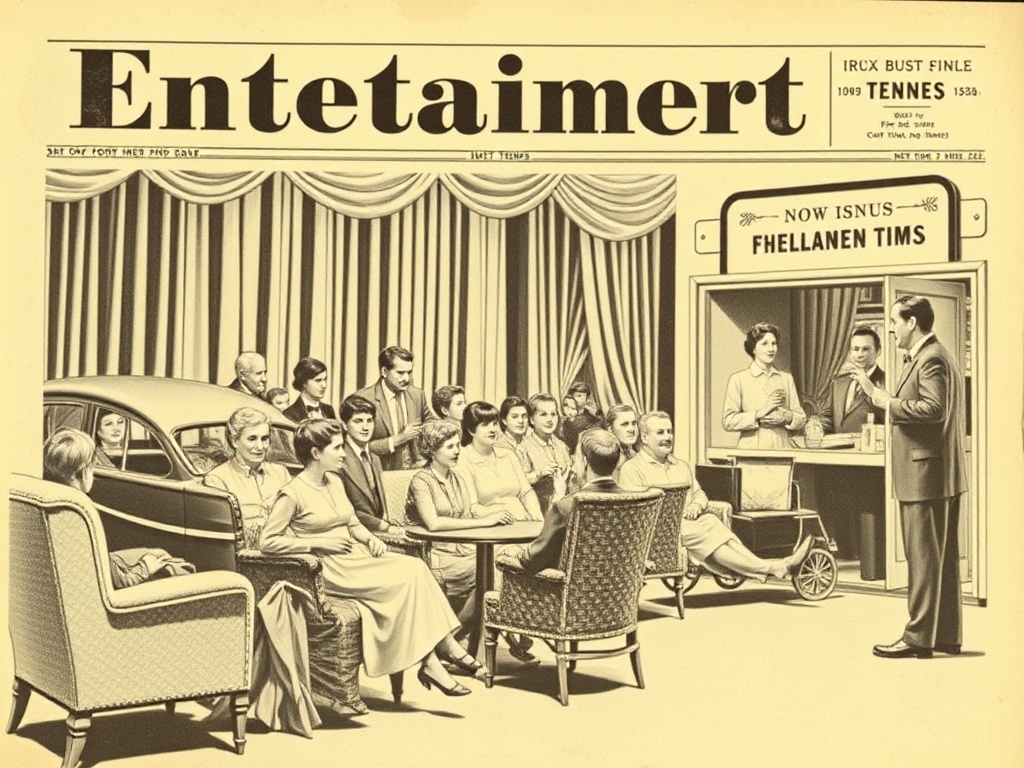
Still, familiarity alone isn’t enough. Successful revivals strike a balance between honoring the original and offering meaningful evolution.
How creators keep reboots fresh
– Update the themes: Refreshing the central conflicts to reflect current social conversations gives a classic story contemporary relevance without erasing its essence.
– Reimagine the format: Turning a movie franchise into a serialized show, or adapting a TV series into a limited anthology, allows deeper character work and worldbuilding.
– Diversify casting and perspectives: Expanding representation both in front of and behind the camera broadens appeal and can reveal unexplored layers of the original material.
– Embrace meta and self-awareness: Smart revivals often play with legacy—acknowledging fan expectations and even critiquing them—which can generate renewed interest.
– Prioritize production quality: Higher production values and modern storytelling techniques can make the familiar feel cinematic and new.
– Use transmedia marketing: Podcasts, social campaigns, teasers, and companion content build anticipation and expand the universe in creative ways.
Pitfalls to avoid
– Fan service without substance: Nostalgia callbacks are gratifying when earned; overreliance on references can feel hollow.
– Ignoring pacing and tone: Modern audiences expect tighter storytelling and emotionally authentic characters. Copying an old formula wholesale risks alienating newcomers.
– Franchise fatigue: Even the most beloved properties can lose cachet if revived too often or without a clear creative purpose.
What audiences can expect
Fans should approach revivals with calibrated expectations. Some projects prioritize faithful continuation for longtime followers; others use the original as a springboard for bold reinterpretation. Both approaches can succeed when executed with clarity and care.
For creators and marketers
– Define the core appeal: Identify what made the original resonate—character chemistry, premise, themes—and preserve that while modernizing other elements.
– Communicate intent early: Marketing that explains whether a revival is a reboot, sequel, or reimagining helps manage expectations and reduces backlash.
– Foster fan dialogue: Inviting thoughtful fan input through safe, moderated channels helps build goodwill without ceding creative control.
Nostalgia-driven content isn’t a lazy shortcut; when handled thoughtfully it can deepen a franchise’s mythology and reach new viewers. The most enduring revivals treat legacy as a foundation rather than a blueprint, using familiar touchstones to launch stories that feel timely, energetic, and emotionally honest. Ultimately, the projects that resonate are the ones that honor what audiences loved while giving them a reason to love it again.