Los Angeles Homeowners’ Guide to Heat and Water Scarcity: Practical Steps to Save Water, Cut Bills, and Cool Your Yard
How Los Angeles is Adapting to Heat and Water Scarcity: Practical Steps for Homeowners
Los Angeles faces a distinctive blend of heat, limited water resources, and expanding urban development.
Residents and property owners are shifting from reactive fixes to proactive strategies that reduce water use, lower energy bills, and make outdoor spaces more comfortable year-round. The good news: practical, attractive solutions are widely available and often supported by city and utility incentives.
Why change matters
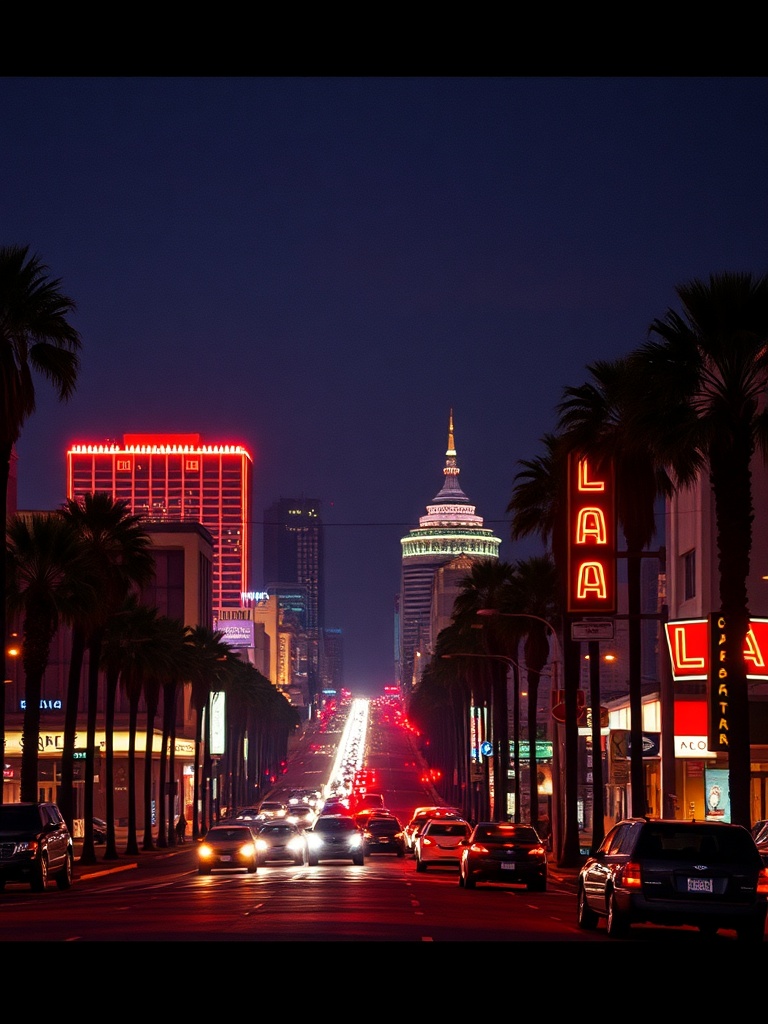
Higher temperatures and restricted water supplies amplify the cost and wear on landscapes and buildings. Traditional turf, inefficient irrigation, and heat-trapping surfaces drive up water demand and energy use.
Transitioning to water-wise landscaping and cooling measures improves resilience, boosts property value, and creates healthier neighborhoods.
Smart landscaping: beauty that conserves
Xeriscaping—designing landscapes to minimize water use—combines form and function. A shift toward native and drought-tolerant plants reduces irrigation needs and supports local pollinators.
Consider replacing thirsty grass with gravel paths, mulch beds, and clusters of low-water shrubs and perennials. Popular choices for Los Angeles yards include a mix of native wildflowers, manzanita, ceanothus, succulents, and ornamental grasses; these establish quickly and require far less maintenance.
Irrigation upgrades that pay back
Smart irrigation controllers, properly sized drip lines, and soil moisture sensors cut waste by matching water to plant needs. Converting sprinklers to drip systems around shrubs and beds prevents runoff and evaporation. Many residents qualify for rebates through city and utility programs for turf removal and efficient irrigation equipment—check local resources to maximize savings.
Greywater and rain capture
Reusing household greywater for landscape irrigation and installing rain barrels or cisterns to capture stormwater can dramatically reduce potable water use. Modern greywater systems are safer and easier to maintain than older setups, and harvested rainwater works well for non-edible garden areas. Before installing, consult local regulations and certified installers to ensure compliance and optimal system design.
Cool roofs, shade, and tree canopy
Heat mitigation goes beyond landscaping. Cool roof coatings, reflective materials, and light-colored pavements reduce heat absorption. Strategic shade—through deciduous trees, pergolas, or shade sails—lowers temperatures outdoors and inside homes, decreasing reliance on air conditioning.
Investing in tree canopy not only provides immediate cooling but also contributes to long-term neighborhood resilience and improved air quality.
Design tips for maximum impact
– Start with a plan: map sun exposure, drainage, and existing trees.
– Prioritize soil health: amended soil retains moisture and supports plant vigor.
– Group plants by water needs to create efficient irrigation zones.
– Use mulch to reduce evaporation and suppress weeds.
– Consider container gardens for patios and balconies to add greenery with minimal water.
– Hire certified landscape professionals for complex irrigation, greywater, or structural projects.
Community resources and incentives
City and utility programs often offer rebates, free water audits, and technical assistance to help homeowners transition. Local nurseries, community organizations, and extension services provide workshops on native planting and maintenance. Leveraging these resources reduces upfront costs and accelerates the benefits.
Making the switch is practical and visible
Shifting to drought-conscious landscapes and cooling measures delivers quick wins: lower bills, reduced maintenance, and a more comfortable outdoor life. These changes create attractive, resilient properties that help the entire community adapt to changing environmental pressures while preserving the unique character of Los Angeles neighborhoods. Start small—swap a section of turf, upgrade a controller, or add a few native plants—and build a landscape that works for the climate and the lifestyle desired.