How Streaming Transformed TV — What It Means for Viewers
How Streaming Changed TV — and What That Means for Viewers
The way people watch television has shifted dramatically, and those shifts continue to shape what makes a show successful. Streaming platforms have moved storytelling away from rigid broadcast schedules and long seasons, giving creators freedom to experiment with pacing, format, and genre blending.
That creative flexibility is resulting in more diverse voices, riskier concepts, and a steady flow of shows that reward sustained attention.
Binge-watching and pacing
Streaming made binge-watching a mainstream habit, and writers adapted. Rather than stretching plotlines across 22-episode seasons, many contemporary shows favor shorter, tighter seasons that deliver a lean narrative arc. This has led to more serialized storytelling where character development and thematic payoff build steadily across episodes. For viewers, the payoff is richer long-form plots; for creators, the challenge is keeping momentum and avoiding filler.
Short seasons and limited series
Limited series and short seasons are particularly popular because they allow a story to be told with a clear beginning, middle, and end. That compressed format attracts high-caliber talent who might otherwise avoid long-term TV commitments. It also gives audiences satisfying resolutions without the commitment of multi-season shows. If you prefer movies that stretch out to explore nuance, look for limited series labeled as “limited,” “event,” or “miniseries.”
Genre blending and creative risk
The streaming era has lowered the cost of taking creative risks. Shows now mix drama with comedy, sci-fi with family storytelling, or mystery with social commentary. This mashup approach often leads to surprising hits that traditional formats might have rejected. For viewers, this means more variety and the chance to discover a show that defies easily labeled genres.
Global storytelling and diverse voices
Streaming platforms distribute content globally, giving non-English and international creators a much larger stage. Audiences are increasingly open to subtitles and different cultural perspectives, which has broadened the kinds of stories that gain mainstream attention. Representation has also improved, with more shows led by diverse casts and made by creators from underrepresented communities. That shift not only expands perspectives onscreen but also attracts new, engaged audiences.
Anthologies, reboots, and shared universes
Anthology formats and reimagined classics remain strong, offering fresh takes without long-term continuity constraints.
At the same time, shared universes and franchise expansions continue to be popular, especially when they deepen character backstories or explore new tones. The balance between original concepts and franchise content helps platforms retain subscribers while still attracting fans seeking originality.
How to find shows worth your time
– Use curated lists and critic roundups rather than relying solely on algorithmic recommendations.
– Try one complete short season before committing to a long series. Limited runs are a low-risk way to sample a creator’s style.
– Explore international categories and subtitle options; many hidden gems are found beyond domestic offerings.
– Follow creators (showrunners, writers, directors) whose past work you enjoyed—creative teams often carry a recognizable voice.
What to expect next
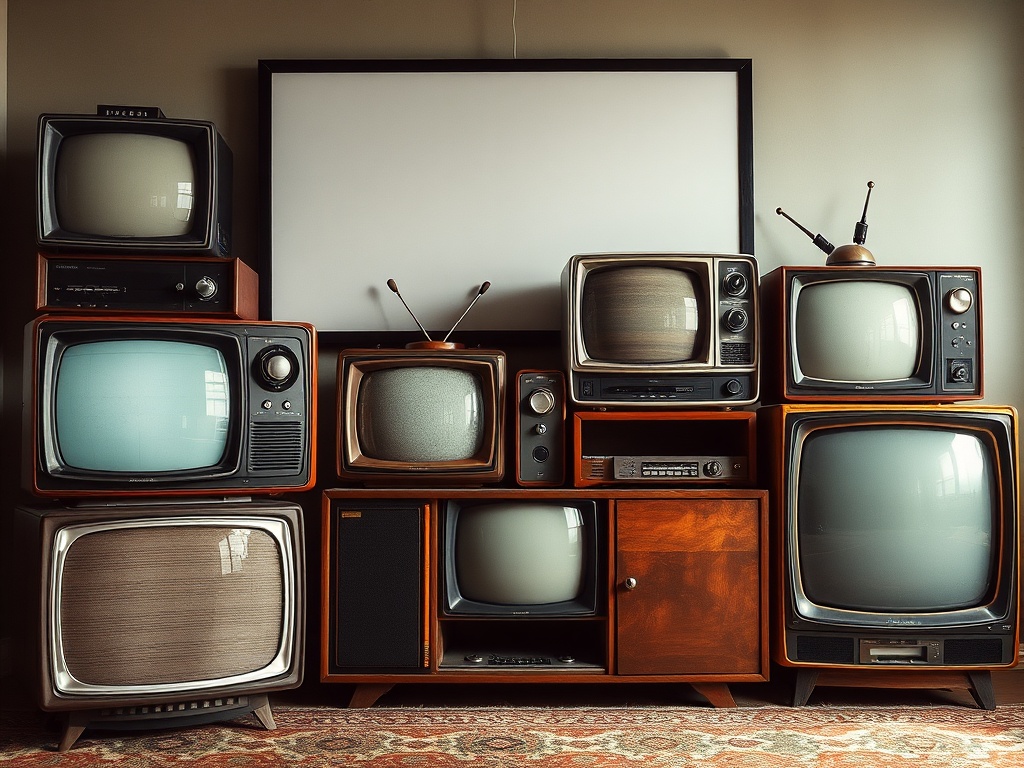
Expect storytelling to keep evolving as platforms compete for attention. Look for more hybrid formats, interactive experiments, and personal, auteur-driven projects that build cult followings.
For viewers, the abundance of choices can be overwhelming—but also exhilarating: there has never been a better time to discover television that challenges, comforts, and surprises.