How Awards Shows Are Changing: Streaming, Social Media, Sustainability, and What to Watch
Awards shows are evolving faster than ever, blending live spectacle with digital engagement, commerce, and cultural commentary. Whether you follow film, music, television, or niche industry honors, the ceremonies you watch today look different from the ones a decade ago — and they’ll keep changing. Here’s what to pay attention to if you want to stay ahead of the conversation.
What’s changing on the main stage
– Streaming and platform fragmentation: Major streaming services and independent platforms have transformed eligibility, campaigning, and audience reach. Content lives across dozens of services, so awards lineups are more varied — and promotional strategies are more targeted to niche audiences.
– Shorter, sharper ceremonies: Producers are trimming runtime and focusing on highlight moments to retain live viewers and fit social-first distribution. That shift favors concise speeches, standout performances, and staged segments designed to trend online.
– Hybrid presentations: Many ceremonies now blend live broadcasts with pre-recorded segments and remote acceptances. This flexibility supports global participation and accommodates high-profile talent with complex schedules.
Red carpet: more than fashion
The red carpet remains a headline magnet, but it’s also a commerce engine. Designers and stylists use award nights to launch brands; fashion houses track social engagement and media coverage as ROI. Expect collaborations that blur celebrity styling, brand partnerships, and sustainable fashion — with visible emphasis on garments that resonate on camera and in short-form video.
Fan engagement and social influence
Social platforms shape every stage of awards season. Pre-show conversations, live-tweeting, meme culture, and fan-voted categories amplify grassroots fandoms. Producers increasingly integrate real-time polls, second-screen apps, and exclusive content to convert social buzz into measurable viewership. The result: awards night is now a multi-platform event that lives well beyond the broadcast window.
Integrity, transparency, and voting
Concerns over voting security and campaign ethics drive continuous reform.
Transparency measures — independent audits, clearer eligibility rules, and publicized voting processes — are more commonplace. Fan voting remains popular for engagement, but many organizations balance it with expert juries to preserve credibility.
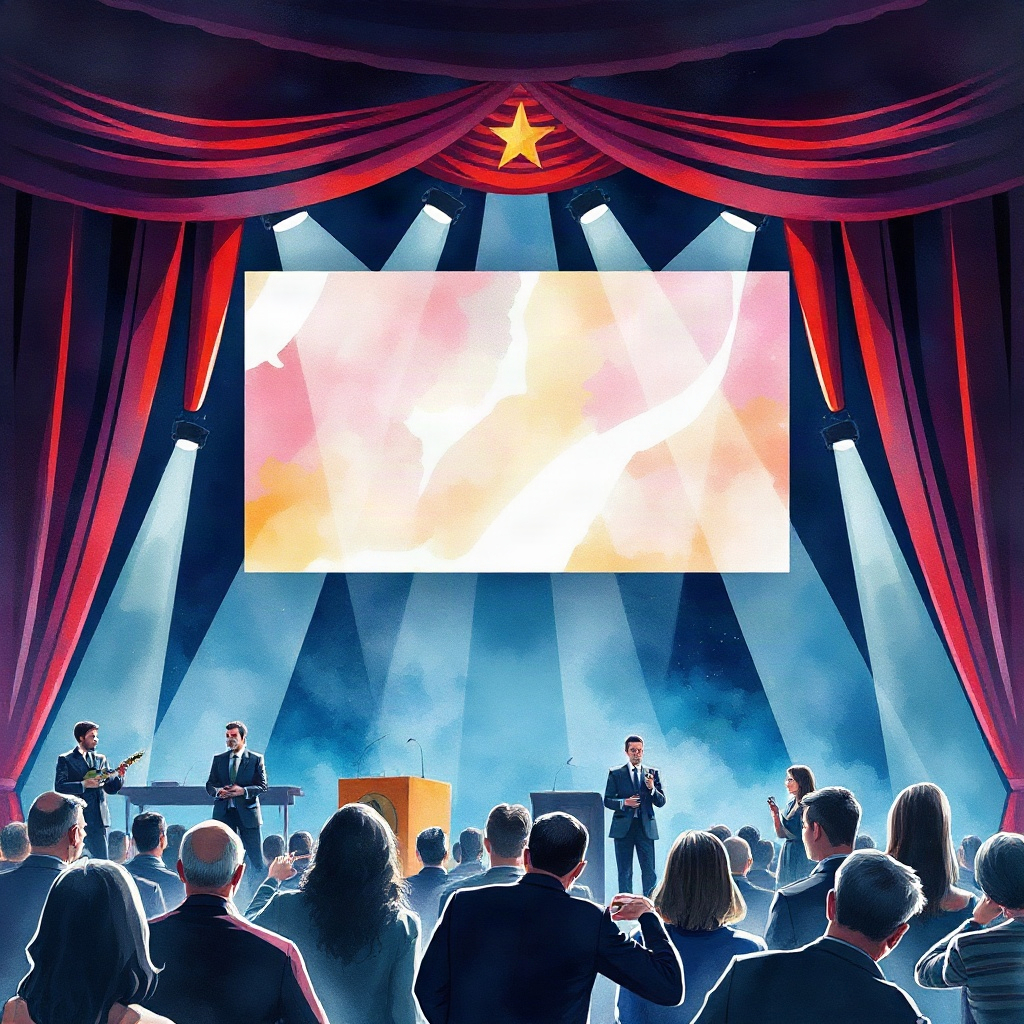
Sustainability and accessibility
Sustainability is more than a PR line. Ceremonies emphasize carbon reduction, sustainable wardrobe choices, and eco-conscious set design. Accessibility has also become a priority: live captions, sign-language interpreters, and multi-language streams help awards shows reach broader global audiences. These moves improve inclusivity while expanding potential viewership.
Controversy and cultural relevance
Awards shows have become stages for cultural conversation. Political statements, social-justice moments, and call-outs about industry practices create headlines that often overshadow winners. That cultural relevance is double-edged: it keeps awards topical, but it can polarize audiences and complicate sponsorship.
How viewers can make the most of awards season
– Plan a viewing party around the expected runtime and highlight segments.
– Follow official social accounts and hashtags for behind-the-scenes content.
– Use voting apps or fan channels to participate where allowed.
– Watch red carpet coverage for fashion and entertainment industry trends rather than just celebrity gossip.
Awards shows are no longer just presentations of trophies; they’re multi-layered cultural events — part marketing stage, part live theatre, part social media phenomenon. Keeping an eye on how producers adapt format, technology, and audience interaction will tell you as much about the industry as the winners themselves.