1) Beat Los Angeles Heat: How Urban Heat Islands Form and 10 Ways to Cool Your Neighborhood
Los Angeles is famous for sunshine, but hotter, longer heat spells are shifting how neighborhoods feel and function. From downtown canyon effects to inland valleys that trap heat overnight, understanding urban heat and practical ways to cool your corner of L.A. can improve comfort, cut energy bills, and save lives.
Why L.A. heats up
Concrete, asphalt, and glass absorb and re-radiate heat, creating urban heat islands that make built-up neighborhoods significantly hotter than nearby parks or coastal areas. Microclimates—coastal breezes versus inland stillness—mean two adjacent zip codes can have very different heat risks. Disadvantaged communities often lack tree canopy and access to cooling resources, making targeted interventions essential for equity and resilience.
Citywide strategies making a difference
Municipal programs are shifting toward cooling-focused infrastructure: expanding the urban tree canopy, incentivizing cool and reflective roofs, testing porous and light-colored pavement, and creating publicly accessible cooling hubs during extreme events. Water-wise green infrastructure—bioswales, rain gardens, and street trees—captures runoff and provides shade without excessive irrigation. Transit agencies and planners are prioritizing shaded bus stops and transit-oriented shade to keep riders cool while encouraging lower-emission travel.
Practical steps for homeowners and renters
– Shade strategically: Plant trees on the west and southwest sides of homes and use shade sails or pergolas over patios and windows to block afternoon sun.
– Invest in reflective surfaces: Cool roof coatings and light-colored exterior paints reduce heat gain for flat-roofed buildings. Window films and exterior shades also cut solar heat.
– Improve airflow and insulation: Whole-house fans, attic insulation, and sealing gaps lower indoor temperatures and reduce reliance on air conditioning. Smart thermostats and timed cooling can save energy while maintaining comfort.
– Choose drought-resilient landscaping: Native and Mediterranean-adapted plants provide shade with low water needs. Mulch and drip irrigation maximize moisture retention.
– Prepare for heat events: Assemble a cooling kit (water, electrolyte tablets, a battery-powered fan, lightweight clothing) and identify nearby community cooling centers or libraries that stay open and air-conditioned during heat waves.
Business and neighborhood actions
Businesses can reduce heat exposure for employees and customers by installing awnings, providing shaded outdoor seating, and adjusting shift times for outdoor work. Community groups can coordinate local tree plantings, advocate for shade at bus stops, and organize neighborhood cooling checks for elderly or vulnerable residents.
Health and equity focus
Heat disproportionately affects older adults, young children, people with chronic conditions, and outdoor workers.
Heat outreach—phone checks, hydration stations, and public education—helps reduce heat-related illness.
Supporting tree planting and cooling investments in underserved neighborhoods yields both health and economic benefits over time.
Where to look for help
Local utility programs, neighborhood councils, and city departments often offer incentives, rebates, and volunteer opportunities for tree planting and cool-roof installations. Sign up for local emergency alerts and check municipal websites for cooling center locations during extreme heat.
Taking small steps—planting a tree, installing window shades, retrofitting a roof—adds up.
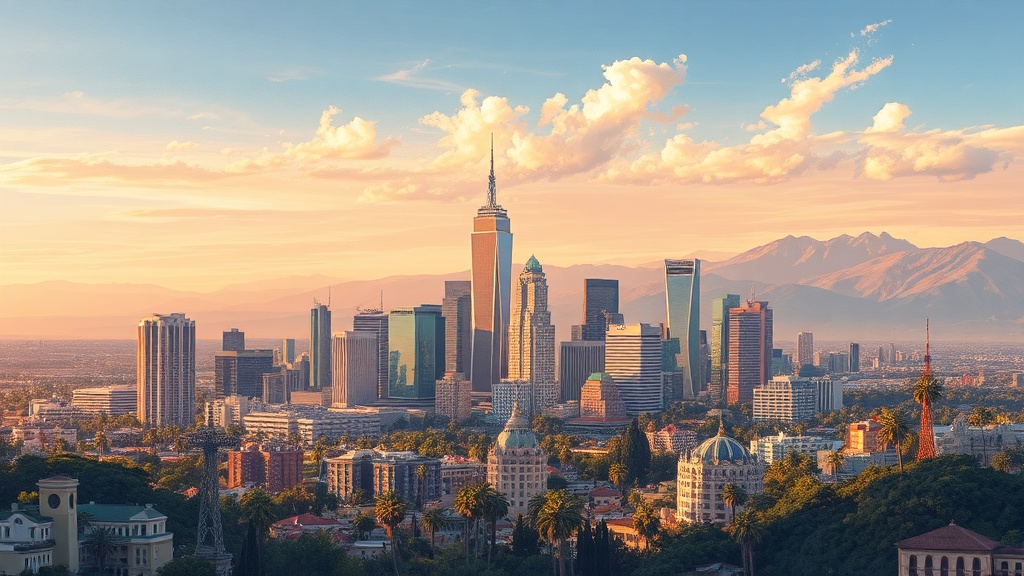
Collective investment in shading, reflective surfaces, and community cooling makes Los Angeles more livable and resilient as temperatures rise and weather patterns shift.