Car-Free Los Angeles: How to Plan the Perfect Day Using Transit, Bikes & Scooters
Car-free Los Angeles is no longer a novelty — it’s a smart way to see the city up close, avoid traffic stress, and reduce your carbon footprint. With expanding transit, more protected bike lanes, and a growing micromobility network, getting around without a car is practical for visitors and residents alike. Here’s how to plan a smooth, enjoyable car-free day in LA.
Plan your route and fares
Start by mapping destinations with a reliable transit app or map service that shows real-time transit options. Many apps let you compare bus, rail, bike, scooter, and walking times. Load a reloadable transit card or set up a mobile fare account before you go to save time at stations. Fare payment methods are increasingly contactless and app-friendly, so you can skip ticket kiosks.
Use rail and rapid bus lines for the backbone of your trip
Los Angeles’ light rail and rapid bus routes connect major hubs: downtown, the Westside, Koreatown, and the beach cities. Use rail for longer east–west or north–south trips, then switch to local buses, rideshare, or bike for the last mile.
Trains are a dependable way to cross longer distances quickly while avoiding congestion.
Embrace micromobility for short hops
Shared e-scooters, dockless bikes, and bike-share programs are ideal for short trips and last-mile connections. Look for protected bike lanes and lower-traffic streets when riding, wear a helmet, and park responsibly to avoid blocking sidewalks.
Micromobility is often the fastest way to move between neighborhoods where transit stops are spaced farther apart.
Neighborhood combos that work well without a car
– Downtown + Arts District + Little Tokyo: Walkable streets, galleries, coffee shops, and frequent transit connections make this cluster easy to explore on foot and by short rides.
– West Hollywood + Sunset Strip + Beverly Grove: Compact areas with walkable shopping and nightlife, well-served by buses and rideshare.
– Santa Monica + Venice: Take light rail to Santa Monica, then bike or ride along the beachfront path to Venice for a seamless oceanfront experience.
– Silver Lake + Echo Park: Trendy neighborhoods with lakes, street art, and cafés — short bus rides or a bike are perfect for hopping between them.
Make active choices for iconic spots
Many signature LA experiences are surprisingly accessible without four wheels. Hike into canyons for skyline views, stroll beach paths at sunrise, or bicycle along the strand. For attractions perched above the city, use local shuttles or plan a scenic walk from a nearby transit stop rather than attempting to drive and park.
Timing, safety, and comfort
Travel during off-peak hours when possible to avoid crowded transit and busy streets. Keep an eye on sunset times for neighborhoods without strong nighttime lighting, and carry a small daypack with water, sunscreen, a portable charger, and a lightweight layer — microclimates in LA neighborhoods can change quickly.
Respect the city and local rules
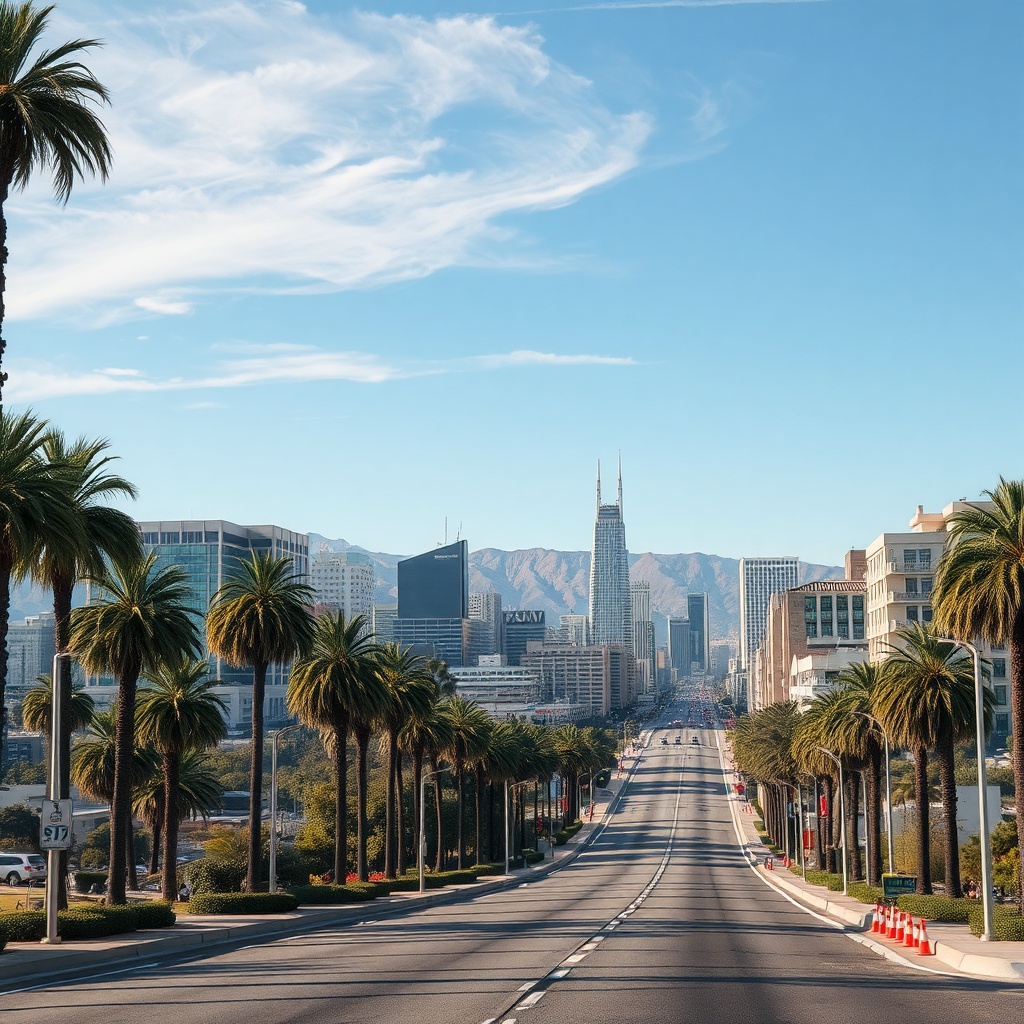
Park and dock shared devices in designated areas, follow local traffic laws, and be considerate of pedestrians. Many neighborhoods prioritize pedestrian-friendly streets and curbside dining, so staying aware keeps you and others safe.
Going car-free changes how you experience Los Angeles: streets become neighborhoods, transit connections open up new corridors, and small discoveries replace traffic stress. With a little planning and the right combination of rail, bus, bike, and walk, you can enjoy LA’s culture, food, and coastline without relying on a car.