Car-Free LA
Car-Free LA: How Open Streets, Transit, and Micromobility Are Redefining City Life
Los Angeles has long been synonymous with driving. That image is shifting as open-streets events, transit investments, and a boom in micromobility make getting around without a car easier, healthier, and more enjoyable. Whether you live here or are visiting, a car-free approach unlocks neighborhoods, restaurants, parks, and scenic routes that are often missed from behind the wheel.
Why car-free works in Los Angeles
– Open-streets events like CicLAvia temporarily transform major corridors into pedestrian-first zones, drawing neighbors, artists, and small businesses.
These events highlight how streets can feel more social and less dominated by traffic.
– Transit agencies are expanding service, prioritizing bus lanes and rail extensions that connect dense job and entertainment centers. Dedicated busways and upgraded stations mean faster, more reliable trips across long distances.
– Micromobility options — shared bikes, e-bikes, and scooters — fill the “last mile” gap between transit stops and final destinations. Increased availability and improved safety infrastructure make these options practical for short trips.
– Active-transport investments, including protected bike lanes and safer crosswalks, improve safety for everyone. VisionZero-style safety upgrades aim to reduce collisions while encouraging walking and biking.
Benefits for communities and travelers
– Local businesses often see increased foot traffic when streets are open to pedestrians.
Cafés, boutiques, and markets thrive when people stroll instead of speeding by.
– Health and environmental gains are tangible when trips shift away from single-occupancy vehicles. Short car trips replaced by walking, rolling, or transit reduce emissions and improve air quality.
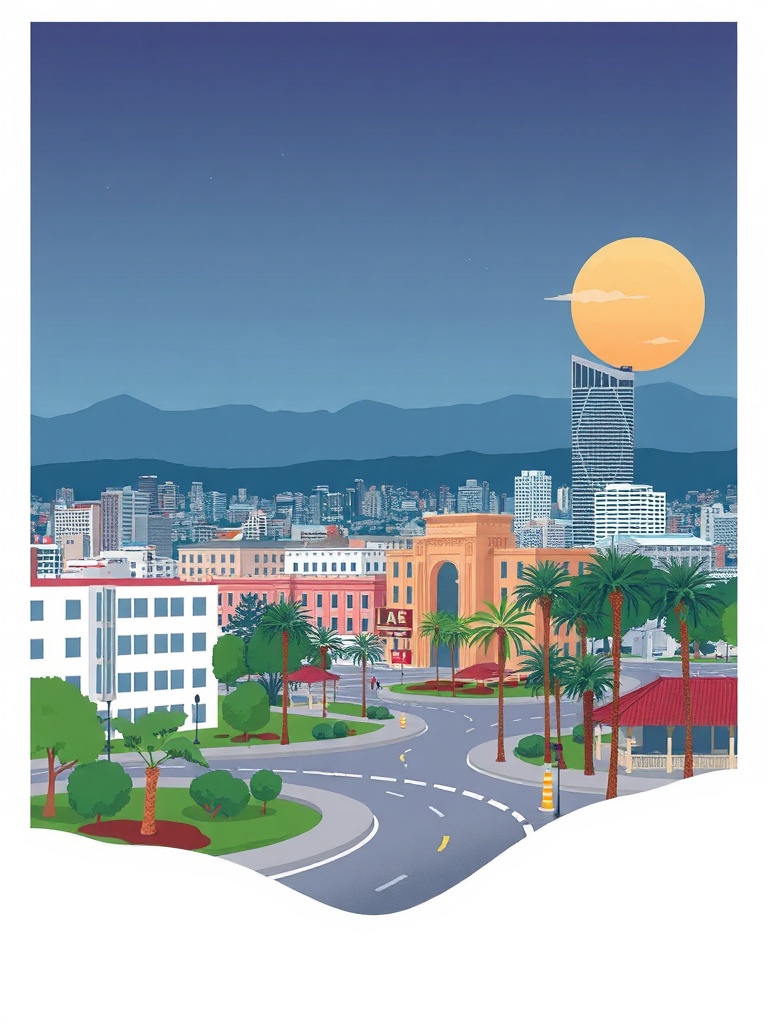
– Social connection grows: neighborhoods feel friendlier when streets become places to meet, shop, and play rather than merely routes to pass through.
Practical tips for exploring LA without a car
– Plan first: Use transit apps to map multi-modal trips that combine rail, buses, and micromobility. Look for real-time arrival info to minimize wait times.
– Embrace micromobility for short hops: E-bikes and scooters are ideal for bridging gaps between transit stops and attractions. Always follow local rules, park thoughtfully, and wear a helmet.
– Time your trips: Peak-hour crowds can make some transit routes slower.
Traveling slightly off-peak often leads to quicker rides and easier transfers.
– Try neighborhood-based exploration: Walkable areas like downtown cultural corridors, coastal promenades, and curated commercial strips are best experienced on foot or by bike.
– Attend an open-streets event: These community days showcase the possibilities of car-free streets and are a great way to test out walking or biking longer distances in a safe, celebratory atmosphere.
What to expect next
Expect continued focus on connectivity and safety. Investments increasingly target seamless transfers between modes, more protected infrastructure for cyclists, and service improvements on high-demand corridors. Public and private partnerships are also experimenting with incentives — like e-bike subsidies and transit fare promotions — to encourage people to try alternatives to driving.
Exploring Los Angeles without a car no longer requires grit and patience; it’s becoming an accessible, enjoyable choice. With thoughtful planning and a willingness to mix transit with walking or rolling, the city opens up in new ways — full of hidden gems, lively streetscapes, and healthier, more connected neighborhoods.