Los Angeles Microclimates: What to Wear, Pack, and Where to Go — Neighborhood Weather Guide
Los Angeles microclimates: how to dress, plan, and make the most of the city’s many weather moods
Los Angeles is famous for sunshine, but one of the city’s best-kept secrets is how wildly the weather can change from one neighborhood to the next. Understanding LA microclimates helps visitors and locals alike decide what to pack, where to go, and how to structure the perfect day without getting caught off guard.
What causes LA’s microclimates
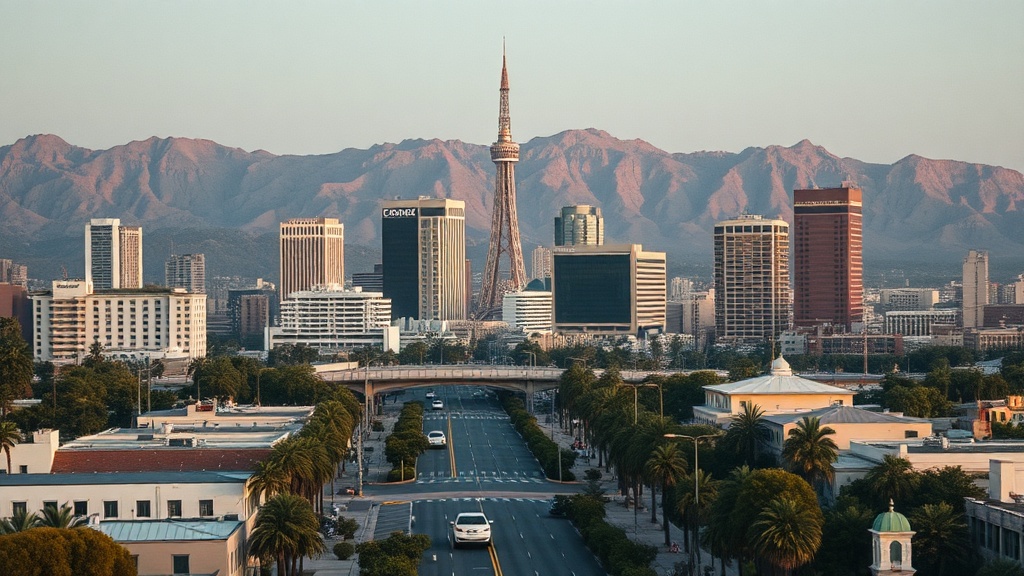
The same geographic features that make Los Angeles scenic — coastline, valleys, mountains and urban sprawl — also create sharp local variations in temperature, humidity and wind. The marine layer can bring cool fog to the coast while inland valleys enjoy sunny warmth.
Elevation changes mean mountain trails can be pleasantly cool when downtown is hot. Urban areas often retain heat after sunset, while beaches stay breezy.
Quick neighborhood climate guide
– Santa Monica / Venice: Cool, breezy, and often foggy in the morning. Afternoon sunshine usually arrives; always bring a windbreaker.
– Downtown / Arts District: Warmer during the day and retains heat at night. Great rooftop weather but can be surprisingly hot in direct sun.
– Hollywood Hills / Griffith Park: Temperatures moderate with breezes; evenings can be cool. Layers recommended for hikes.
– San Fernando Valley: One of the warmest spots — sun-drenched and drier. Ideal for daytime outdoor activities when the coast is cloudy.
– Pasadena / Eagle Rock: Moderate temps, less wind than the coast; mornings may be crisp.
– South Bay / Long Beach: Mild and breezy, with beachside humidity that moderates temperature swings.
Dressing and packing checklist
– Layering is essential: lightweight tees, a long-sleeve shirt or hoodie, and a compact jacket.
– Sun protection: broad-spectrum sunscreen, sunglasses, and a hat for exposed hikes or beach days.
– Footwear: breathable sneakers for city exploration, trail shoes for hikes, sandals for the beach.
– Windbreaker or light jacket: coastal gusts can feel much colder than the thermometer indicates.
– Water bottle and portable charger: hydration and power keep you moving, especially on long transit days.
Timing your activities
Plan outdoor coastal mornings for beach walks, bike rides, or farmers markets because the marine layer is often lighter later in the day. Conversely, head to inland attractions or valley hikes in the afternoon when the coast might still be foggy.
For rooftop bars, sunset is prime time — just bring a layer for post-sunset drops in temperature.
Practical tips for getting around
Check hourly forecasts or local weather apps rather than relying on a single citywide outlook. Traffic can amplify perceived heat when you’re idling in a car, so allow extra travel time when crossing from coast to valley or vice versa.
Public transit and rideshare are convenient, but for full flexibility carry a map and plan for first- and last-mile connections.
Why it matters
Embracing LA’s microclimates unlocks more enjoyable days and smarter packing. Whether you’re chasing surf, sunrise views, hiking trails, or a rooftop evening, a little preparation goes a long way toward turning unpredictable weather into an asset rather than a hurdle.