How to Explore Los Angeles Without a Car: Practical Tips for a Smoother, Greener Visit
Explore Los Angeles without a car: practical tips for a smoother, greener visit
Los Angeles has a reputation as a drivers’ city, but exploring the region without a car is easier and more rewarding than ever. A combination of expanded rail service, frequent buses, bike lanes, e-scooters, and rideshare options makes it possible to see iconic neighborhoods, beaches, and cultural hotspots while cutting travel stress and environmental impact.
Plan around the Metro Rail and bus network
The backbone of car-free travel is the Metro system. Rail lines connect downtown hubs with popular destinations — from beaches to Hollywood and arts districts — and buses fill in gaps between stations. Use the Metro trip planner or a reliable transit app to map routes and departures, and opt for surface-level routes during scenic stretches.
Carry a reloadable fare card for convenience, and allow extra time for transfers during peak hours.
Choose neighborhoods that reward walking
Staying in walkable neighborhoods reduces transit needs. Downtown’s arts and theater districts, Santa Monica’s pedestrian-friendly expanse, Venice’s boardwalk, Koreatown’s dense restaurant scene, and Pasadena’s tree-lined boulevards all put dining, shopping, and attractions within easy reach. Look for accommodations near a rail station or frequent bus corridor to minimize first-mile and last-mile hassles.
Mix micromobility with public transit
E-bikes, bike-share stations, and scooters bridge short distances quickly. Many Metro stations now include secure bike parking and bike-share docks nearby. For longer coastal stretches, bike paths like the famous beach boardwalk offer scenic, traffic-free travel. Check local regulations — helmet rules and designated parking zones vary — and use a portable lock if you plan to leave a bike unattended.
Take advantage of rideshare and on-demand shuttles
Rideshare apps fill in service gaps, offer late-night flexibility, and are especially useful for reaching attractions that are less transit-friendly.
Some neighborhoods and business districts also run on-demand shuttle services that connect key points like transit stations, cultural venues, and shopping areas — look for community or city-run options in trip planning tools.
Time your outings strategically
Traffic patterns still affect buses and surface-level travel.
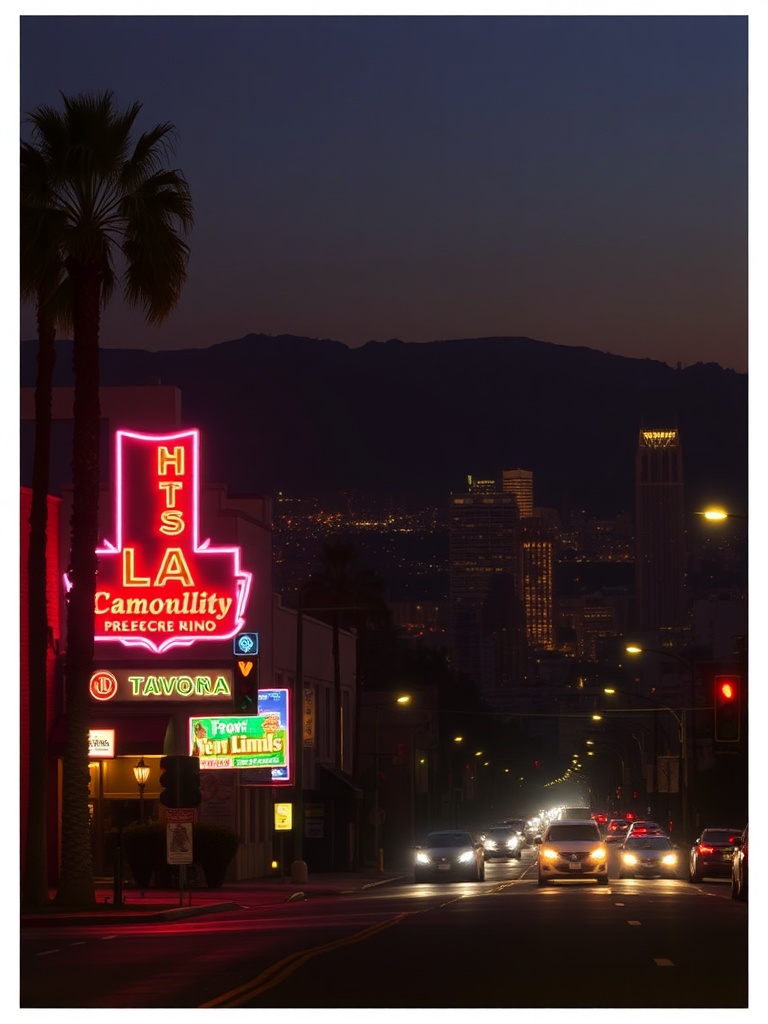
Traveling earlier in the day or later in the evening reduces time spent in traffic and makes walking more pleasant. If you’re catching a performance or museum after dark, plan a safe, well-lit route or pair a transit leg with a short rideshare trip to avoid long waits.
Pack smart for comfort and convenience
Bring comfortable walking shoes, a light rain layer for unexpected weather, a compact umbrella, and a small backpack for essentials. A reusable water bottle helps you stay hydrated during longer walks and bike rides. Portable phone chargers keep navigation and payment apps running throughout the day.
Choose experiences that fit a car-free lifestyle
Many of LA’s best experiences — hiking in municipal parks, farmers markets, outdoor dining, museums clustered in walkable areas, and beachfront strolls — are accessible without a car. Seek out guided walking tours, bike tours, and cultural crawls that emphasize local neighborhoods and public-transit access.
Exploring Los Angeles without a car gives a different perspective: slower, more local, and often more memorable. Whether you’re a resident reducing car use or a visitor seeking an authentic urban experience, blending rail, buses, bikes, and on-demand rides unlocks the best of the city with less hassle and a lighter footprint.