Los Angeles Rethinks Mobility: Transit, Micromobility & Walkable Neighborhoods
How Los Angeles Is Rethinking Mobility and Urban Life
Los Angeles is reshaping how people move, live, and experience the city. Long associated with highways and traffic, LA is navigating a shift toward denser, greener, and more connected neighborhoods—driven by transit expansion, active-transportation investments, and climate resilience strategies.
Transit beyond the freeway
The metro landscape is expanding, with major rail and bus projects changing commutes and connecting neighborhoods previously dependent on cars. New lines and extensions are making it easier to reach job centers, airport terminals, and cultural hubs without driving. Transit-oriented development is following the rail, bringing housing, shops, and services within walking distance of stations and creating more walkable communities.
For riders, digital tools matter: real-time apps, contactless fare options, and integrated trip planners reduce friction across agencies. Park-and-ride facilities and improved bus-rail connections help those who still rely on cars for part of their journey.
Micromobility and safer streets
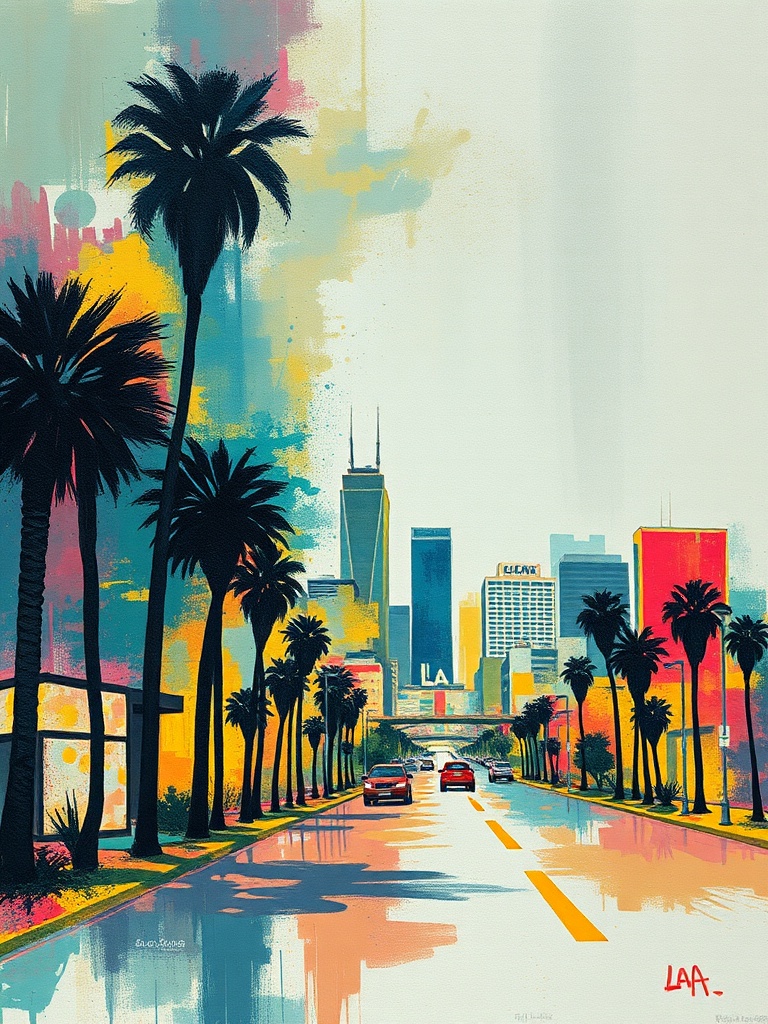
E-scooters, e-bikes, and bike-share systems have become fixtures of city life. City policy has moved from experimentation to regulation—permitting providers, establishing safety rules, and investing in protected bike lanes. The result is more comfortable infrastructure for people on two wheels, and safer crossings for pedestrians.
Vision Zero-style efforts aim to reduce traffic fatalities through signal timing, curb extensions, and redesigned intersections. Neighborhood Slow Streets programs and tactical urbanism installations are also calming traffic on local roads, making streets feel more human-scaled.
Airport access and regional mobility
Airport connections are a big part of the mobility story. Automated people movers, dedicated transit links, and improved shuttle services are reducing the friction between air travel and local transit systems. These connections benefit residents and visitors alike, making it easier to choose transit over a rental car.
Housing, equity, and walkability
As transit improves, housing policy is adapting to support equitable outcomes.
Cities and transit agencies are promoting inclusive development near stations—targeting affordable housing, community services, and small-business space. The goal is to prevent displacement and ensure that mobility investments benefit long-term residents as well as newcomers.
Walkable improvements—tree-lined sidewalks, mid-block crossings, and lighting upgrades—are boosting neighborhood livability. Such changes support local retail and make short trips feasible without a car.
Climate resilience and green infrastructure
Los Angeles is tackling urban heat, drought, and flooding through a mix of green infrastructure and water management.
Street trees, cool pavement, and pocket parks reduce heat islands; while stormwater capture projects and local water recycling increase supply resilience. These measures are often integrated with transportation projects: bioswales along busways, permeable plazas at transit stops, and green buffers that make waiting for a bus more pleasant.
Practical tips for navigating the evolving city
– Use multi-modal trip planners that combine light rail, buses, and shared micromobility options for door-to-door planning.
– Buy or link contactless fare accounts to speed transfers and access fare-capping where available.
– Choose protected bike lanes and neighborhood greenways for safer riding; wear a helmet and follow local rules for e-scooters and e-bikes.
– If driving is unavoidable, check transit-adjacent parking options to combine car use with faster rail segments.
– Support neighborhood planning meetings to stay informed about transit projects and housing proposals near you.
The city’s mobility transformation is an ongoing story, driven by infrastructure, policy, and public engagement. For residents and visitors, the expanding choices mean more ways to get around—safer streets, more reliable transit, and neighborhoods that are easier to enjoy on foot or two wheels.