How to Get Around Los Angeles Without a Car: Practical Transit, Bike, and Rideshare Tips
Los Angeles without a car: practical ways to get around and enjoy the city
Los Angeles is famously spread out, but a car isn’t the only way to explore its neighborhoods, beaches, and cultural hotspots. Whether you live locally or are visiting, combining rail, buses, rideshares, bikes, and walking makes LA more accessible than many expect. Here’s a practical guide to getting around without relying on a personal vehicle.
Plan with smart apps
Start by using dependable transit apps that combine schedules, real-time arrival, and multimodal routing. Look for features that integrate Metro schedules with bike and scooter hubs, and enable offline maps for areas with spotty signal. Keep a digital or physical TAP card for easy boarding on Metro buses and rail; many operators also accept contactless mobile payments now.
Take advantage of rail and frequent bus corridors
Metro rail is increasingly useful for connecting major nodes—downtown, arts districts, the west side, and points north.
Frequent bus corridors, including rapid and busway services, offer quick cross-town trips with dedicated lanes in many spots. For neighborhood-level travel, smaller municipal shuttles and DASH routes fill gaps that larger services don’t reach.
Use micromobility for first-and-last-mile
E-bikes and e-scooters are widespread across the city and ideal for bridging the gap between transit stops and your final destination.
Dockless and docked bike-share options coexist; choose a sturdier e-bike for longer distances or hilly neighborhoods. When parking scooters or bikes, follow local rules and park in designated areas so walkways remain clear.
Rideshares and carpool options
Rideshare services remain a flexible choice for late-night trips, airport transfers, or tight schedules. Many apps offer pooled rides for lower fares and carpool lanes that can save time during peak periods. For longer stays, consider occasional carpool rentals or hourly car-share services that let you use a vehicle only when needed.
Walkable neighborhoods reward exploration
Several LA neighborhoods are highly walkable, each with its own character. Downtown offers museums, restaurants, and nightlife within a compact area.
Koreatown, Silver Lake, and Echo Park are dense with eateries and independent shops. The beach cities—Venice and Santa Monica—are pedestrian-friendly and linked by bike paths. Choose accommodations in a neighborhood that matches your priorities to minimize travel time.
Timing, safety, and comfort tips
Traffic patterns in LA vary by corridor more than by distance; peak periods can extend, so allow buffers for appointments.
Carry layers—coastal fog and inland warmth can create rapid temperature shifts. For safety, plan well-lit routes at night, stick to busier thoroughfares, and use apps that share your ride status with contacts.
Keep a portable charger for phones and transit cards.
Cultural experiences without driving
Many cultural institutions are accessible by transit and bike—museums, theaters, farmers markets, and live music venues. Neighborhood walking tours (food, architecture, street art) are a great way to experience local flavor.
Beachside bike paths and waterfront promenades offer low-stress days without parking hassles.
Getting around Los Angeles without a car is increasingly practical and often more relaxing than navigating traffic and parking.
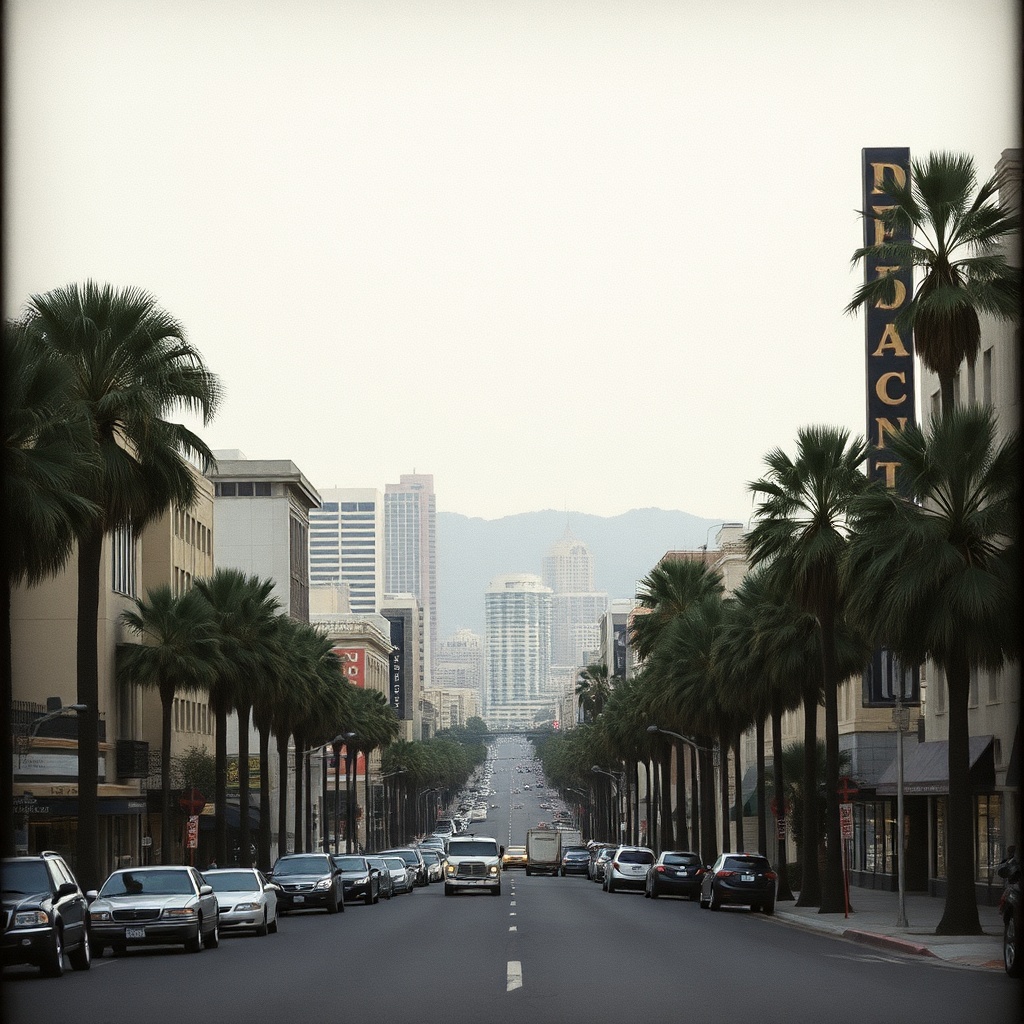
With a little planning, the city’s transit and micromobility network opens up more neighborhood gems, reduces stress, and makes exploring LA a richer experience.