Reimagining Public Space in Los Angeles: Streets, Rooftops and Riverbanks That Cool Neighborhoods, Support Small Business, and Improve Walkability
Los Angeles is rethinking public space, turning streets, rooftops, and riverbanks into places that cool neighborhoods, support small business, and make everyday life more walkable. What used to be purely transportation corridors or parking can now host farmers markets, pop-up parks, and community events — a shift that’s reshaping how people live, work, and socialize across the region.
Why public space matters in LA
Dense neighborhoods, rising temperatures, and shifting commuting patterns have increased demand for safe, accessible outdoor areas. Public space improvements deliver multiple benefits at once: they reduce urban heat islands through shade and greenery, improve stormwater capture with permeable surfaces and bioswales, boost local economies by bringing foot traffic to nearby shops, and create social hubs that strengthen neighborhood ties.
Key strategies changing the cityscape
– Tactical urbanism and parklets: Small, low-cost interventions like sidewalk parklets and curb conversions turn underused curb space into seating, gardening, and dining areas.
These incremental projects are quick to implement and can demonstrate long-term potential to residents and decision-makers.
– Open-street events: Car-free days invite people to bike, walk, and gather on streets normally dominated by vehicles. These events provide temporary relief from traffic, promote active transportation, and build momentum for permanent multimodal infrastructure.
– Riverfront activation: Efforts to restore and program river corridors create continuous greenways for walking, cycling, and habitat. When combined with mixed-use development and trail connections, riverfronts become anchors for neighborhood revitalization.
– Pocket parks and infill greening: Turning vacant lots or oversized setbacks into micro-parks answers the need for recreation space in dense areas.
Plant-forward designs with native species reduce maintenance and water use while supporting pollinators.
– Stormwater-first design: Integrating bioswales, rain gardens, and permeable paving into streetscape projects reduces flooding risk and recharges groundwater, aligning beautification with resilience.
Design principles that work
Successful public-space projects emphasize accessibility, safety, and community ownership. That means universal design for all ages and abilities, lighting and sightlines that increase perceived safety, and programming created with local residents. Flexibility matters: spaces that can host a market one day and movie night the next tend to maintain long-term relevance.
Equity and community-led planning
Transforming public space must prioritize neighborhoods that have historically lacked investment. Community-led planning ensures that new parks and plazas meet local needs — whether that’s a shaded playground, a gathering spot for seniors, or a commercial incubator for food entrepreneurs. Partnerships between city agencies, neighborhood groups, and small nonprofits are critical for translating ideas into durable improvements.
How to get involved
– Attend or follow local planning and parks meetings to learn about neighborhood projects and funding opportunities.
– Support or volunteer with local stewardship groups that maintain parks, plant trees, or run community programming.
– Participate in open-street events and pop-up activations to show demand for pedestrian-friendly design.
– Advocate for smart streets investments through neighborhood councils or city council offices; even small policy changes can unlock bigger investments.
The result is a Los Angeles where public space does more than look good — it performs.
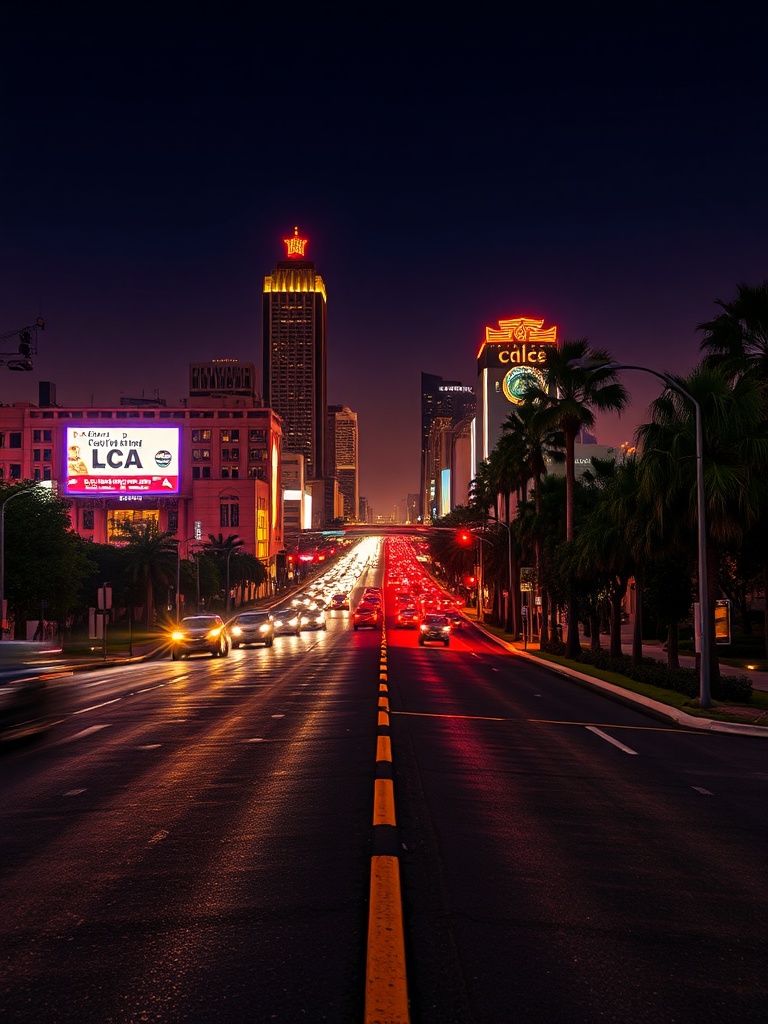
Thoughtful design and community collaboration can turn streets into resilient, active, and equitable places that benefit residents, visitors, and the local economy. By prioritizing accessible green spaces and flexible public realms, neighborhoods become healthier, cooler, and more connected.