Los Angeles Climate Resilience: Practical Strategies for Communities to Beat Heat, Save Water, and Prepare for Wildfire Smoke
Los Angeles faces a defining moment: a sprawling metro of neighborhoods, beaches and canyons is adapting to hotter temperatures, shifting water supplies, and more frequent smoke from nearby wildfires. The strategies that city leaders, community groups and everyday Angelenos use now will shape quality of life for decades. Here’s a practical look at how Los Angeles is building resilience—and what residents can do to stay comfortable, safe and connected.
Tackling urban heat with trees and cool surfaces
Cities trap heat; pavement and dark roofs can make neighborhoods substantially hotter than surrounding areas. Los Angeles is expanding its urban canopy and prioritizing tree planting in underserved communities to lower ambient temperatures. Local programs also promote cool roofs, reflective pavement, and green roofs, which reduce cooling bills and improve air quality. For homeowners and renters, simple steps—adding shade trees, installing awnings, choosing lighter exterior finishes, and using energy-efficient window treatments—deliver immediate benefits.
Stretching water supplies through conservation and reuse
Water stewardship is central to LA’s resilience. The city is investing in stormwater capture, local groundwater recharge, and water reuse projects that turn treated wastewater into irrigation and industrial water.
At the household level, drought-tolerant landscaping, smart irrigation controllers, low-flow fixtures, and rain capture for nonpotable uses reduce dependence on imported supplies and lower utility costs. Rebates and local programs often help offset the upfront cost of high-efficiency appliances and xeriscaping.
Preparing for wildfire smoke and poor air quality
Smoke plumes from nearby wildfires can blow into urban neighborhoods with little warning, posing health risks—especially for people with respiratory conditions. The city has expanded air quality monitoring and public alert systems, and many community centers double as clean air shelters during prolonged smoke episodes. Residents can assemble a simple air-safety kit: a high-quality N95 mask, a portable air purifier for living spaces, and a plan for checking local alerts and postponing outdoor activities when air quality is unhealthy.
Rethinking mobility and neighborhood design
Reducing emissions and improving mobility go hand in hand. Investments in rail and bus service expansions, bike lanes, and pedestrian-friendly streets make it easier to choose alternatives to single-occupancy driving. Neighborhood-scale changes—complete streets, microtransit, and more local amenities—shorten trips and boost local economies. Commuters can benefit from flexible schedules, carpool options, and electric vehicle adoption supported by growing charging infrastructure across public and private spaces.
Equitable planning and community engagement
Resilience works best when it’s equitable. Targeting investments to neighborhoods that historically lacked green space, cool roofs, or reliable transit helps close health and economic gaps.
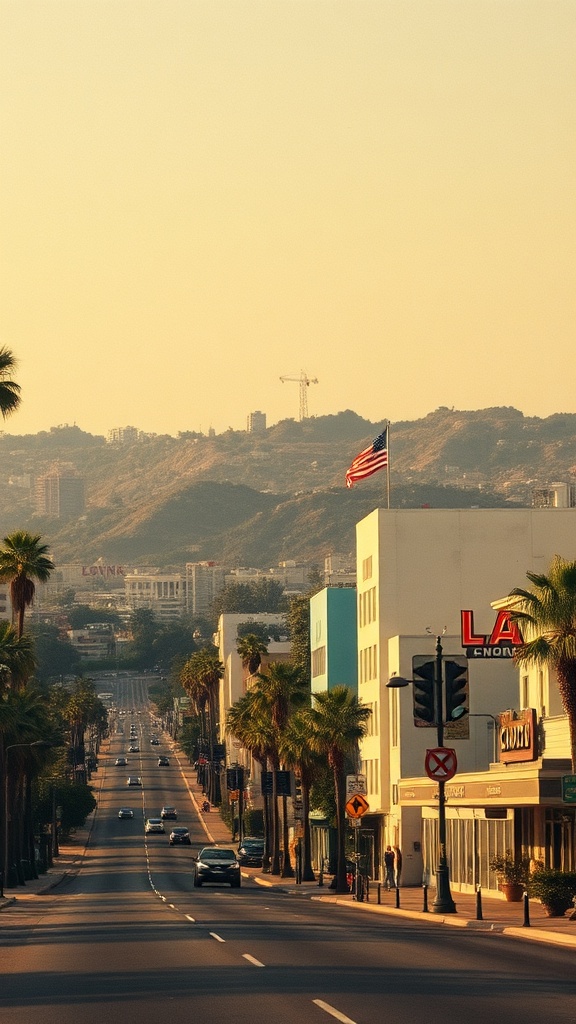
Community-driven planning ensures projects match local needs—whether that means a shaded plaza, a community garden that doubles as stormwater infrastructure, or a local cooling center.
Practical actions residents can take now
– Plant shade trees or support community tree-planting drives.
– Swap thirsty lawns for native, drought-tolerant plants and mulched beds.
– Check for utility rebates on high-efficiency appliances, smart thermostats, and cool roofing.
– Build a simple emergency kit: masks, water, medication, important documents, and a battery-powered radio.
– Use transit, bike, or carpool when possible; look into local charging options if driving electric.
– Volunteer with local neighborhood councils or climate action groups to help guide equitable projects.
Los Angeles is reinventing how a major metropolitan region copes with a changing climate—by combining infrastructure upgrades, community-centered programs, and everyday choices that add up. Small actions by residents and scaled investments by the city can make neighborhoods cooler, cleaner and more livable for everyone.