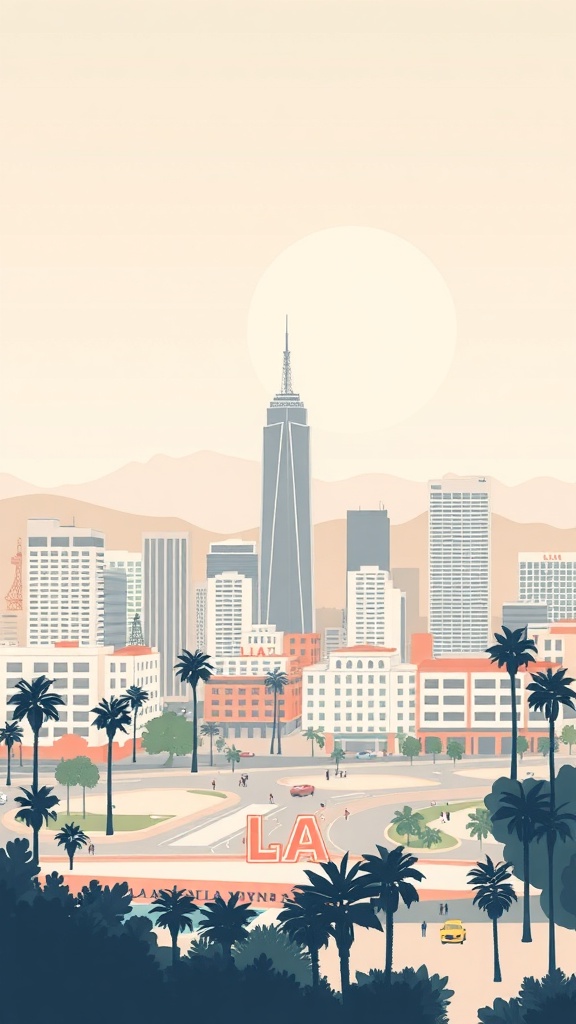
The New Los Angeles: A Practical Guide to Transit, Neighborhood Eats, and Climate-Smart Living
Los Angeles keeps evolving—its skyline, streets and food scene shift while the core energy of creativity and reinvention remains. For residents and visitors alike, understanding the practical changes happening around transit, climate adaptation and lifestyle helps make the most of the city’s opportunities.
Transit and getting around
Traffic remains part of the LA narrative, but getting around is becoming more viable without a car. Metro expansions and modernized light-rail corridors are connecting neighborhoods that were once difficult to reach by public transit. Regional bus rapid transit lines and the push for transit-priority lanes in dense corridors are improving reliability. At the same time, airport upgrades and expanded ground-transport options make flying into and out of Los Angeles less of a hassle—rental shuttles, consolidated terminals and better rail links to major airports are easing transfers for many travelers.
Micro-mobility options—electric scooters, bike-share and e-bikes—fill the first- and last-mile gaps, especially near beach cities, university districts and downtown hubs. For daily commuters, mixed-mode trips (bike to a rail station, then transit to work) are now a realistic way to cut commute times and reduce stress.
Food culture and immersive neighborhoods
Los Angeles’ culinary landscape continues to be a global tasting menu. From neighborhood-focused taquerias and Korean Mexican fusion spots to elevated farm-to-table restaurants and pop-up supper clubs, the city serves diverse flavors with local produce and inventive technique.
Farmers markets thrive year-round, supporting neighborhood chefs and small purveyors.
Neighborhoods are where the city’s culture is most palpable. Walkable corridors—lined with independent coffee shops, galleries and late-night food vendors—offer layered experiences. Arts districts and cultural institutions keep programming dynamic, while outdoor film screenings and public art activations draw communities together.
Climate resilience and green infrastructure
Facing recurring drought cycles and heat, Los Angeles is prioritizing climate resilience. Large-scale investments in stormwater capture, groundwater replenishment and recycled water reduce dependence on distant sources. Urban greening projects—tree-planting, cool roofs and shade-focused streetscape designs—are lowering neighborhood heat and improving walkability.
Households and businesses are increasingly installing water-wise landscaping, smart irrigation and energy-efficient appliances. Solar adoption and incentives for electrifying homes and vehicles support cleaner air and a more resilient power grid during high-demand periods.
Housing and neighborhood change
Housing affordability and new development remain central topics. Transit-oriented development is concentrating growth near rail and high-frequency bus lines, aiming to reduce car reliance and promote denser, walkable communities.
At the same time, community-driven planning and preservation efforts are balancing growth with character retention in historic neighborhoods.
Tips for enjoying LA right now
– Embrace a mixed commute: try rail for the core of your trip, then use a bike or rideshare for the last mile.
– Explore culinary corridors by neighborhood rather than chasing single “must-eat” spots—you’ll discover hidden gems.
– Take advantage of evening outdoor events and food markets to experience local culture without peak heat.
– When visiting beaches or parks, check local transit options to avoid parking hassles.
– Support sustainable businesses and farmers markets to help local economies and reduce environmental impact.
Los Angeles remains a city of reinvention—where transit, sustainability and culture intersect to create fresh opportunities.
Whether discovering a new neighborhood restaurant or choosing a greener commute, small choices shape a more livable, vibrant city for everyone.