Los Angeles Mobility Makeover: Transit Expansion, Micromobility, and Walkable Neighborhoods Reshaping Commutes
Los Angeles is reshaping how Angelenos move around the region. Long known for car culture and freeway networks, the city and surrounding metro area are steadily shifting toward a more balanced transportation mix that prioritizes transit, walking, cycling, and shared mobility. Whether you commute across town or explore neighborhoods on weekends, these changes are making LA more accessible and livable.
Transit expansion and better connections
Light rail, subway extensions, and bus rapid transit projects are improving cross-city connections and reducing reliance on single-occupancy vehicles. New stations and improved service frequency are encouraging riders to rethink car trips, especially for daily commutes and airport access. Transit-oriented development around major stations is also boosting residential and retail options within walking distance of transit hubs.
Micro-mobility and street rethinking
E-scooters, e-bikes, and bike-share networks are now a common sight, offering convenient first-and-last-mile solutions. Cities across the region are redesigning streets to support protected bike lanes and safer crossings, which encourages more people to choose cycling or scooting for short trips. These changes are especially noticeable along commercial corridors and near transit stations, where better infrastructure links neighborhoods to rail and bus service.
Tackling congestion and smarter pricing
To address chronic congestion, regional leaders are testing demand-management strategies and pricing tools that reward off-peak travel and carpooling.
These approaches aim to smooth traffic flows and shift discretionary trips onto public transit or into different time windows. Pairing pricing incentives with improved transit options creates a more reliable commute for those who need to drive.
Walkable neighborhoods and lifestyle shifts
Neighborhoods that prioritize walkability are attracting residents who want shorter commutes, local amenities, and a stronger sense of community.
Areas with concentrated shops, restaurants, and parks—combined with good transit access—are seeing increased investment and foot traffic.
For renters and buyers, proximity to transit and walkable commercial streets is increasingly a deciding factor.
What this means for residents and visitors
– Commute smarter: Mix modes—use transit for the long haul and micro-mobility for the last mile. Many apps now integrate schedules, fares, and micromobility options to plan seamless trips.
– Choose neighborhoods strategically: If you value less driving, prioritize areas with strong transit access and dense local amenities.
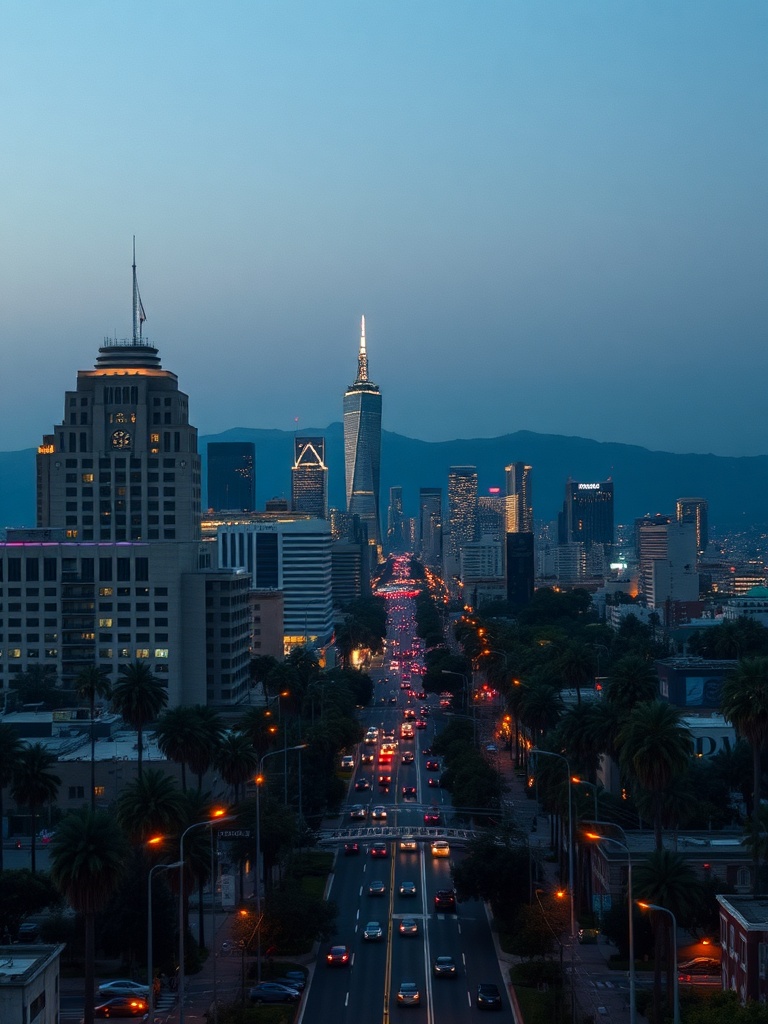
– Expect changing street designs: Look for protected bike lanes, wider sidewalks, and curbside changes that support delivery zones and outdoor dining. These updates improve safety but may also alter traffic patterns.
– Consider transit passes and shared mobility plans: Monthly transit passes and micromobility subscriptions can reduce costs and simplify multi-mode trips.
Economic and environmental upsides
Reducing car dependency supports local businesses by increasing pedestrian traffic and can reduce greenhouse gas emissions by shifting trips off single-occupancy vehicles. As housing and commercial development concentrate near transit, the region can house more people with lower per-capita transportation costs and smaller carbon footprints.
While Los Angeles retains its iconic freeway stretches and sprawling neighborhoods, the city’s transportation landscape is evolving. For anyone who lives, works, or visits here, the new mix of transit options, improved streetscapes, and smarter traffic strategies are making it easier to get where you’re going—without always reaching for the keys.