Los Angeles Residents’ Guide to Heat and Drought: Practical Steps to Save Water, Cool Your Home, and Build Resilience
How Los Angeles is adapting to heat and drought — practical steps for residents
Los Angeles is known for sun-drenched streets and outdoor culture, but the region’s shifting climate patterns make heat and water management everyday concerns. Neighborhoods, businesses, and residents are adopting strategies that reduce water use, cool urban spaces, and build resilience — and you can take practical steps that make a difference.
Smart water conservation that feels normal
Water conservation in LA goes beyond short-term restrictions.
Many households are switching to low-water landscaping, using drought-tolerant native plants and replacing thirsty turf with mixed groundcovers, decomposed granite, or permeable pavers. Smart irrigation controllers and drip systems cut waste by matching watering to weather and soil moisture, while simple fixes like fixing leaks and installing low-flow fixtures add up.
Graywater (recycled household water from sinks and showers) and rainwater capture are becoming mainstream where allowed, providing irrigation without tapping the potable supply. Check local guidelines and rebates through city programs and water agencies to make sure installations meet code and qualify for incentives.
Cooler streets and homes
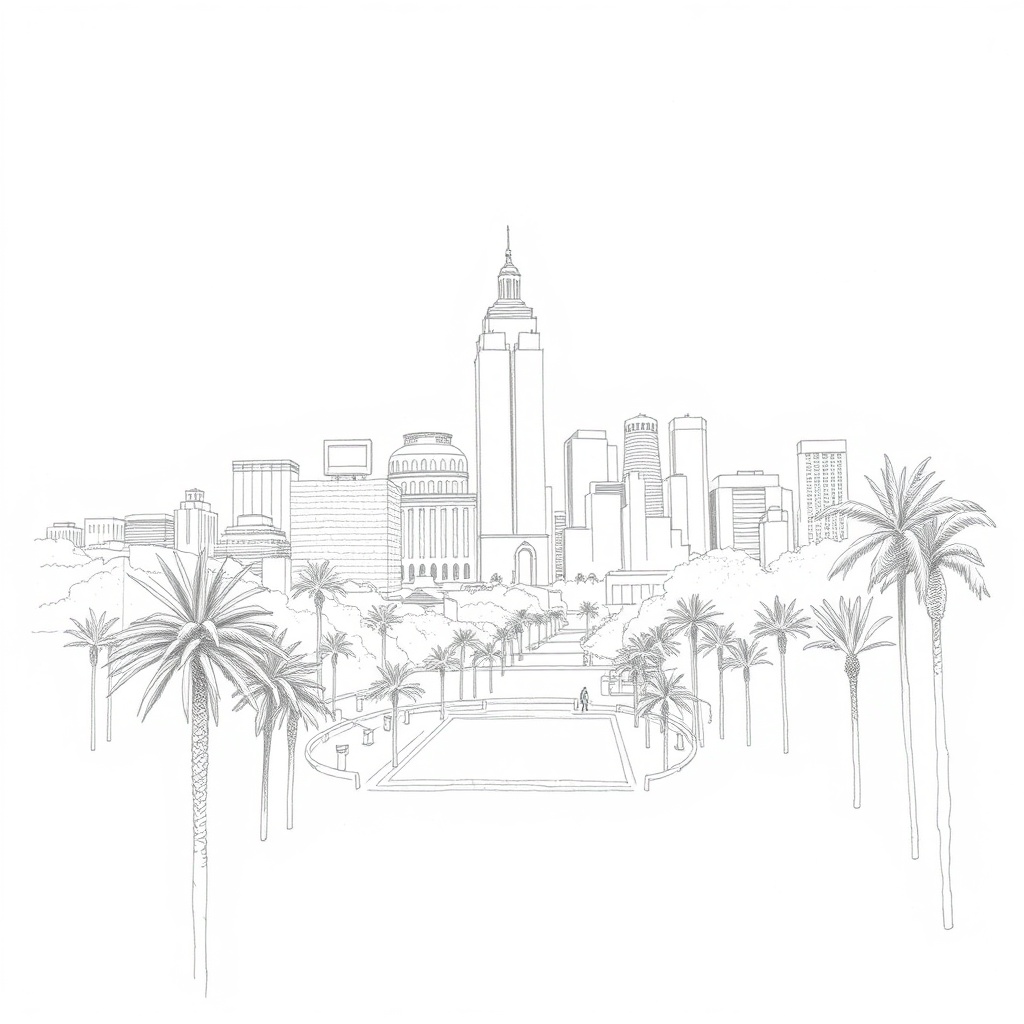
Urban heat islands make city centers feel significantly hotter than surrounding areas. Planting and preserving shade trees is one of the most effective natural cooling methods for sidewalks and homes. When planting, choose species suited to the local climate and space constraints to ensure long-term survival and canopy growth.
Small building upgrades also help: cool roofs and reflective coatings reduce rooftop heat absorption; energy-efficient windows and shading devices cut indoor cooling demand; and attic insulation keeps homes comfortable with less energy. For renters, window films, blackout shades, and smart fans provide affordable alternatives.
Green infrastructure and neighborhood design
Green infrastructure — bioswales, rain gardens, permeable pavements, and expanded tree pits — slows stormwater runoff, filters pollutants, and recharges groundwater. Community-driven projects can convert underused alleys and parking strips into green corridors that reduce flooding risk and add shade. Local neighborhood councils and non-profits often coordinate plantings and maintenance, creating both environmental and social benefits.
Public spaces are also shifting toward people-centered design. Pop-up plazas, widened sidewalks, and protected bike lanes help cool streets by reducing vehicle dominance and encouraging walking and cycling, which lowers emissions and congestion.
Energy resilience and clean transportation
Solar panels and battery storage are playing a growing role in household resilience during outages and peak demand. Many utility and city programs offer incentives or simplified permitting to encourage installations. At the same time, electric vehicles and expanded charging infrastructure help reduce tailpipe pollution and heat-contributing traffic congestion.
Practical checklist for LA residents
– Replace turf with drought-tolerant plants or permeable surfaces where feasible
– Install or upgrade smart irrigation and fix leaks promptly
– Plant shade trees on property and participate in community tree-planting events
– Add cool roof coatings or light-colored roofing materials when replacing roofs
– Use rain barrels or graywater systems where permitted for irrigation
– Explore solar-plus-storage options and available incentives
– Support local green infrastructure projects and volunteer for neighborhood cleanups
Where to find help
City and regional agencies, water providers, and community organizations offer rebates, technical assistance, and planting programs.
Start by checking your local water agency, the city’s sustainability office, and community-based environmental groups for workshops and resources.
Small actions by many residents — from swapping lawn grass for native plants to advocating for shaded sidewalks — create measurable improvements in comfort, water security, and public health. By combining personal steps with neighborhood collaboration and available programs, Angelenos can shape a more resilient and livable city.