Why Reboots and Franchises Dominate the Streaming Era — What It Means for Original Stories and How Audiences and Creators Can Respond
Why Reboots and Franchises Dominate Entertainment—and What It Means for Original Stories
The entertainment landscape keeps shifting as studios and streaming services chase reliable audiences. One clear trend: reboots, sequels, and shared universes are everywhere. Familiar IP offers lower perceived risk and built-in fandom, which makes it attractive for decision-makers who must meet subscriber goals and box-office expectations.
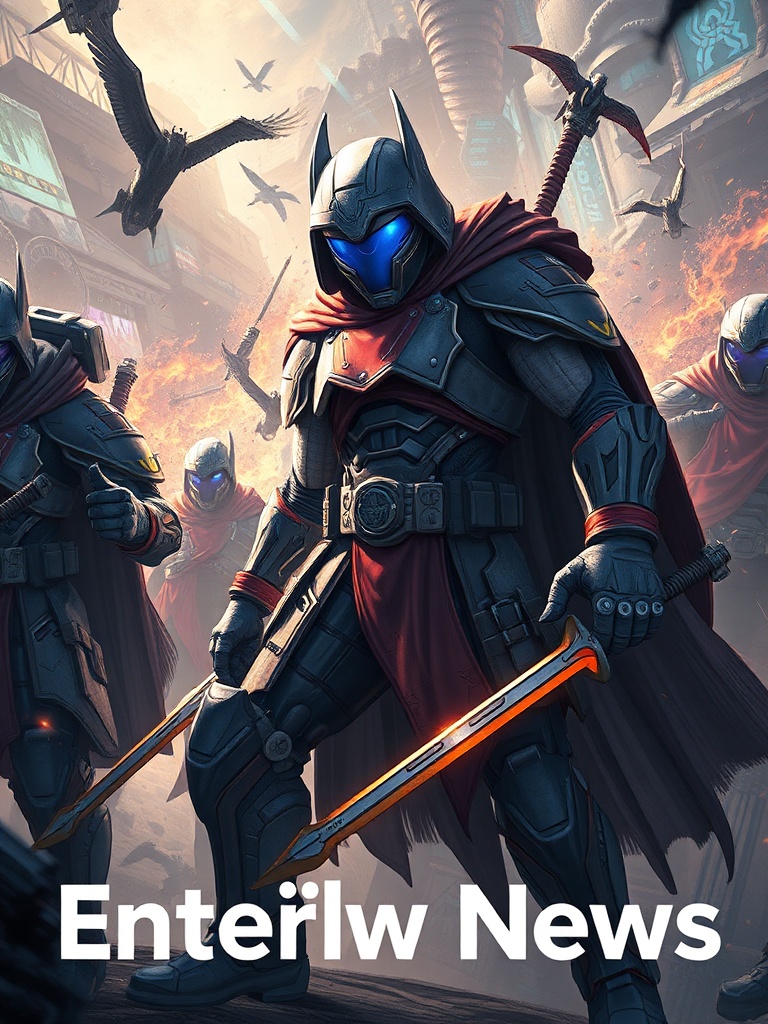
That dynamic impacts what gets made, how it’s marketed, and what viewers discover next.
Why nostalgia wins
Familiar characters and worlds cut through noise. Marketing a reboot or franchise sequel requires less explanation than launching a brand-new concept, which reduces promotional spend and makes it easier to convert casual viewers into committed fans. For audiences, nostalgia delivers an emotional shortcut—comfort, recognition, and the chance to revisit beloved moments with modern production values or new creative spins.
How streaming changed the calculus
Streaming platforms prioritize long-term subscriber retention. Franchises feed that goal by offering sequels, spin-offs, and expanded universes that keep viewers returning.
Serialized storytelling also fits binge habits, while big-name reboots can generate buzz that boosts platform sign-ups. As a result, some original projects struggle to get the same level of backing unless they have a standout director, unique hook, or festival momentum.
Creative opportunities inside familiar properties
Reboots aren’t all safe bets devoid of creativity. Writers and directors can use established settings to explore different themes, update representation, or subvert expectations. A legacy property gives a sandbox for experimentation—reimagining tone, shifting genre, or centering previously sidelined characters. That approach can both honor the original and deliver fresh cultural relevance.
What this means for original storytelling
Original ideas still find space, but they often require smarter packaging. Indie films and limited-series formats are fertile ground for novel concepts because they demand less upfront infrastructure than blockbuster franchises. Festivals, targeted marketing, and strong critical reception play a bigger role in helping originals break through. For creators, blending familiar elements with unique perspectives increases the odds of greenlighting.
How audiences can support originality
– Seek out indie titles on streaming menus and festival platforms.
Positive engagement helps algorithms recognize demand.
– Leave ratings and reviews—those metrics influence what platforms keep or promote.
– Share word-of-mouth on social platforms and with friends; grassroots buzz can tip the scales.
– Watch with intention: checking an obscure title for a full episode or film improves its visibility more than sampling dozens of shows briefly.
Tips for creators pitching originals
– Lead with a strong hook that can be expressed in a single sentence.
– Emphasize how the story connects emotionally to audiences while also offering something marketable.
– Consider hybrid formats—limited series, anthologies, or IP-adjacent projects—that balance novelty with familiarity.
– Attach credible talent when possible; name recognition still helps open doors.
The future of content balance
Expect continued coexistence: franchises will remain prominent because they deliver scale, but originality will persist through diverse platforms, niche audiences, and creators willing to push boundaries. Smart partnerships, creative risk-taking within established worlds, and active audience support can all help ensure that new voices and stories keep emerging alongside the biggest brands.
For anyone who cares about the state of entertainment, the key move is simple: watch widely, champion the stories that surprise you, and treat word-of-mouth as an active part of the discovery ecosystem. That behavior shapes what the industry values next.