Why Nostalgia and Franchise Reboots Dominate Entertainment: How Streaming, Fan Power, and Cross-Platform Strategies Fuel Revivals
Why Nostalgia and Franchise Reboots Keep Dominating Entertainment
Nostalgia has become the entertainment industry’s most reliable engine.
From streaming revivals to big-screen reboots and multiplatform tie-ins, familiar IP continues to attract audiences, advertisers, and investors. Understanding why this trend persists helps viewers pick what to watch and creators decide which projects to greenlight.
Why nostalgia works
– Instant recognition: Established titles come with built-in awareness. Marketing can lean on familiar characters, logos, or theme music to cut through the noise.
– Emotional connection: Viewers often associate older properties with formative memories. Reboots tap into those emotions while promising updated production values or new storytelling angles.
– Safer investment: For studios and streamers, recognizable IP reduces perceived risk. The financial logic favors projects that can leverage an existing fanbase and multiple revenue streams, from subscriptions to merchandising.
How reboots are evolving
Reboots are not all the same. Some projects opt for faithful continuations, bringing back legacy characters and preserving continuity. Others reimagine core concepts for different audiences or formats. Streaming platforms have enabled niche revivals that might not have been viable in a theatrical-only model — limited-series continuations, anthology reboots, and spin-offs allow deeper exploration of beloved worlds.
Creative opportunities and challenges
While safe bets often mean bigger budgets and wider distribution, creative teams face pressure to balance homage with innovation. Simply recycling story beats can lead to franchise fatigue, while bold reinterpretations risk alienating core fans. Successful projects tend to:
– Respect the source material while offering fresh perspectives
– Expand character development beyond nostalgic hooks
– Use modern production techniques to elevate storytelling without erasing what made the original resonate
Fan engagement and community power
Fan communities now play a central role in reboot culture. Social media conversations, petitions, and fan art shape perception before a reboot even premieres. Studios listen and sometimes pivot; in other cases, they double down on a creative vision to challenge fan expectations.
Interactive events — watch parties, creator Q&As, and collectible drops — keep audiences invested across release windows.
Cross-platform potential
Nostalgic properties often perform best when treated as ecosystems. A movie reboot can drive streaming spin-offs, podcasts, comics, and collectibles. That multiplatform approach maximizes lifetime value and keeps the conversation going between major releases.
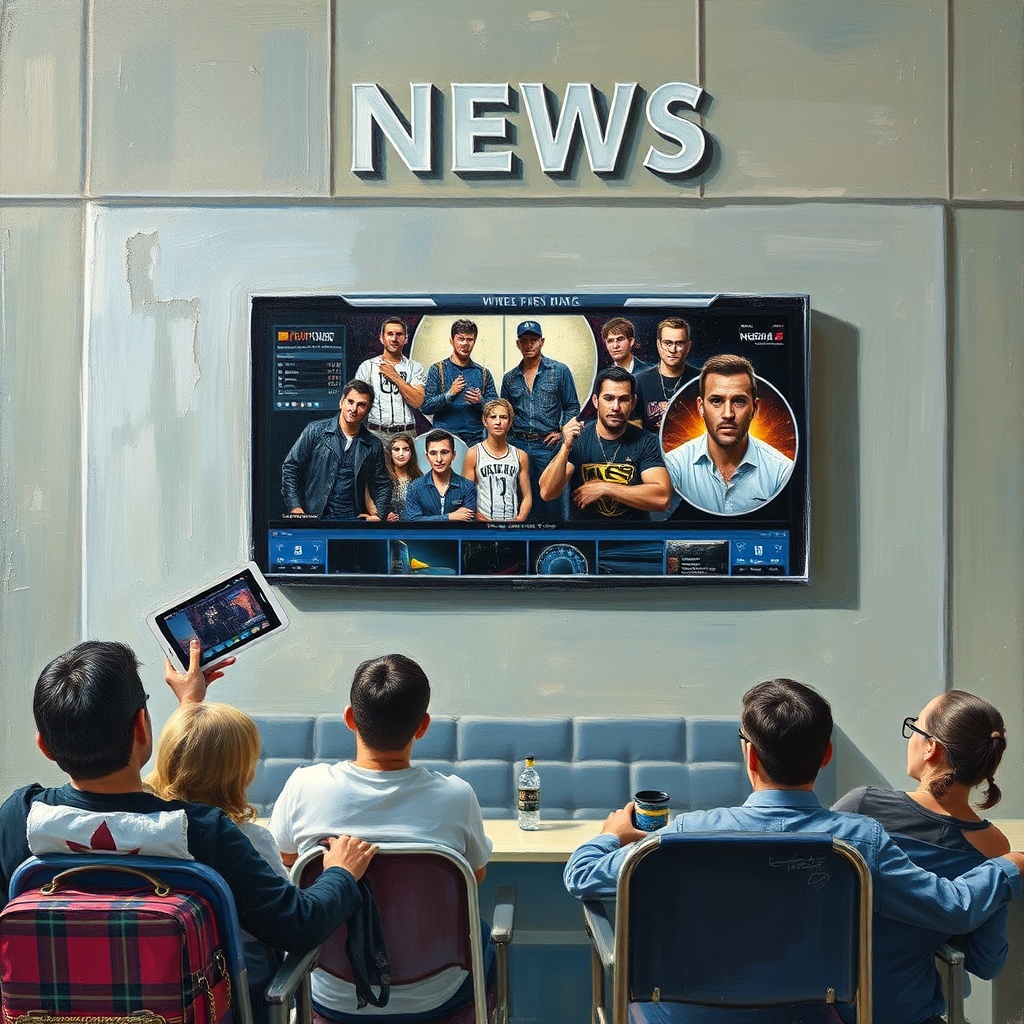
For viewers, the payoff is deeper immersion; for rights holders, it’s diversified revenue.
What to watch for
– Projects that balance reverence with reinvention tend to earn both critic and audience goodwill
– Niche revivals on streaming often offer the most creative freedom
– Merchandise and experiential tie-ins amplify cultural impact and reach
Whether you’re a casual viewer or an industry insider, nostalgia-driven entertainment will continue to shape the cultural landscape. Expect reboots and revivals to keep evolving — some will be faithful love letters, others bold reinterpretations — but the underlying principle remains the same: familiar stories, when reimagined thoughtfully, still have the power to capture attention and spark conversation.