Beat the Heat in Los Angeles: Practical Neighborhood Cooling Strategies
How Los Angeles Is Cooling Down: Practical Steps for Beating the Heat
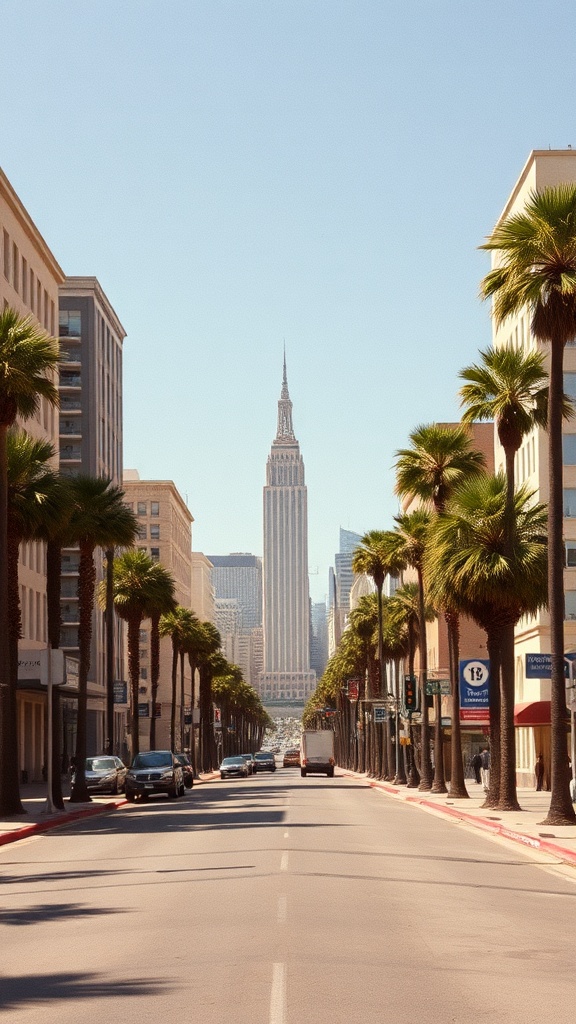
Los Angeles’ warm climate and dense urban fabric make heat a year-round concern. As heat events become more frequent and intense, neighborhoods, planners, and residents are adopting strategies that reduce temperatures, protect vulnerable populations, and create a more comfortable city for everyone.
Why heat matters in the city
Urban materials like asphalt and concrete absorb and hold heat, creating urban heat islands that can push nighttime temperatures higher than surrounding areas. Higher temperatures increase health risks, strain energy grids, and worsen air quality. Solutions focus on reducing heat at the source, increasing shade, and ensuring people have access to cool, safe spaces.
Nature-based cooling
Expanding the urban tree canopy is one of the most cost-effective cooling measures. Trees provide shade, intercept sunlight, and lower surrounding air temperatures through evapotranspiration. Community tree-planting initiatives and incentives for property owners to preserve and expand tree cover are becoming more common across neighborhoods. For residents, choosing drought-tolerant, native species and watering strategically can keep trees healthy while conserving water.
Cool surfaces and green roofs
Replacing dark surfaces with reflective “cool” pavements and roofing materials lowers heat absorption. Green roofs — planted layers on top of buildings — add insulation and reduce rooftop temperatures while providing stormwater benefits and habitat.
These measures are particularly useful on large commercial buildings and apartment complexes, where roof area is significant.
Shade and outdoor design
Shade structures, awnings, and properly oriented streetscapes make sidewalks and public spaces more usable during hot periods. Transit stops, playgrounds, and open-air markets benefit from canopies and green corridors that reduce direct sun exposure. Advances in porous paving also help cool and absorb stormwater, reducing runoff while lowering temperatures.
Community cooling centers and access to cool spaces
Public cooling centers, libraries, and transit hubs play a critical role during extreme heat by offering air-conditioned refuge. Local governments and community organizations are coordinating to increase availability and publicize locations when heat warnings are issued.
For residents, knowing the nearest cool space and planning hydration and travel during peak heat can reduce health risks.
Water-wise landscaping and irrigation
Balancing cooling needs with water conservation is essential.
Smart irrigation systems, mulching, and the choice of drought-resistant plants allow landscapes to provide shade and evapotranspiration without excessive water use. Rain gardens and bioswales capture stormwater, support plant health, and help cool surrounding areas.
Building efficiency and electrification
Improving building envelopes — better insulation, shading, and sealing — reduces indoor heat gain and the need for air conditioning. Electrification of appliances, paired with cleaner electricity sources, lowers greenhouse gas emissions linked to cooling. Incentive programs for retrofits and efficient cooling systems make these upgrades more accessible for homeowners and building owners.
Individual actions that add up
Residents can contribute to neighborhood cooling by planting trees where feasible, using reflective window treatments, and scheduling outdoor activities for cooler times of day.
Simple steps like providing water for outdoor workers and checking on elderly or isolated neighbors during heat events make a large difference.
Los Angeles is moving toward a cooler, more resilient future through a mix of policy, green infrastructure, and community action. By combining nature-based solutions with smarter design and community preparedness, the city can reduce heat’s impacts while making streets and neighborhoods more livable for everyone. For practical guidance, check local resources for heat alerts, cooling center locations, and incentives for tree planting and building upgrades.