How to Navigate Los Angeles Without a Car: Transit, Micromobility & Top Neighborhoods
Los Angeles has long been synonymous with car culture, but the city’s transit landscape is changing. Transit investments, smarter street design, and a surge in micromobility options are making it easier to get around without relying on a personal vehicle. Whether you’re a commuter, visitor, or resident exploring neighborhoods, understanding how LA moves now will save time, money, and stress.
What’s shifting
The biggest move is expansion of higher-capacity, reliable transit corridors that connect dense neighborhoods and job centers. More rail mileage and frequent bus service are reducing dependence on freeways for many trips. Transit-oriented development is also reshaping formerly car-first blocks into walkable, mixed-use areas where daily needs are closer to homes or stations.
Micro-mobility fills gaps
E-scooters, dockless bikes, and bike-share systems provide convenient first/last-mile options for trips that start or end at a station. Cities across the region have embraced shared fleets and dedicated curb space for micromobility, while adding protected bike lanes to increase safety. For short hops and leisure rides, these options often beat driving and parking hassles.
Airport access gets easier
Reaching the airport is one of the most common pain points for travelers. Better transit connections and people-moving systems now link terminals with regional rail and bus lines, offering a car-free option for many arriving or departing passengers. This reduces traffic around airport neighborhoods and is an increasingly practical choice for business and leisure travelers alike.
Practical tips for riders
– Use one digital fare card or app across modes when possible — it simplifies transfers and can cut costs.
– Plan multi-modal trips: combine rail for the backbone of a trip with a scooter or bike for first/last mile.
– Avoid rush hours if your schedule allows; off-peak service can be faster and more comfortable.
– Keep safety front of mind on micromobility: helmet use, yielding to pedestrians, and obeying local speed limits matter.
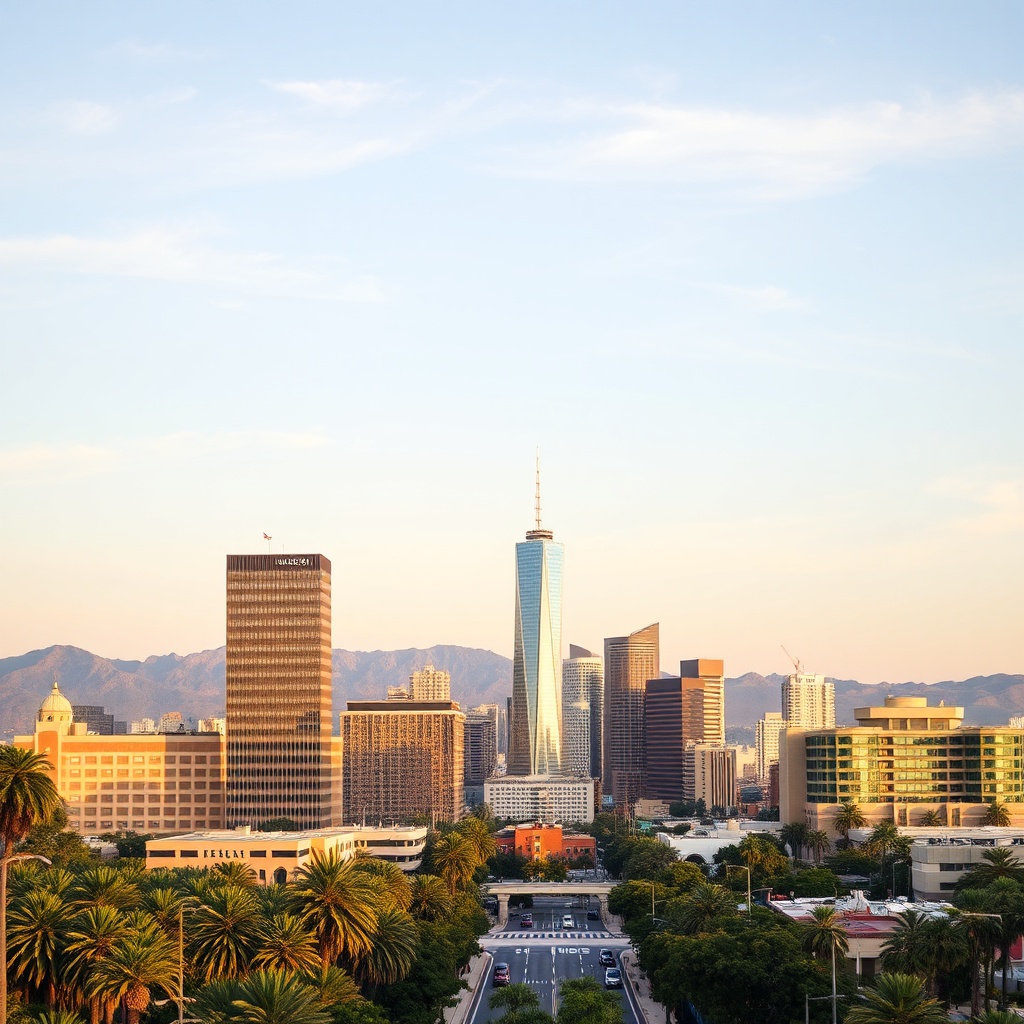
– For visitors, prioritize neighborhoods with high transit access—Downtown, Koreatown, Culver City, and certain beach cities offer walkable hubs close to transit.
Neighborhoods benefiting most
Communities close to new or improved transit options are seeing higher demand for housing, retail, and dining. Walkable corridors are attracting independent businesses and community amenities, and residents enjoy shorter commutes and more choices for daily life.
These shifts are encouraging a more human-scale urban fabric in parts of the region traditionally dominated by car infrastructure.
Challenges ahead
Despite progress, challenges remain. Coverage gaps still exist in lower-density areas, and frequency on some routes can be inconsistent. Funding and local policy choices will continue to shape how quickly improvements reach underserved neighborhoods. Balancing road space between private cars, buses, bikes, and loading zones is an ongoing conversation in city planning rooms.
Why it matters
A more connected, multimodal Los Angeles means less time wasted in traffic, lower transportation costs for households, and smaller carbon footprints. For businesses, better transit widens the labor pool and encourages foot traffic.
For residents, it unlocks more of the city without the overhead of car ownership.
For anyone navigating LA, now is a great time to experiment with alternatives to driving. Combine rail and micro-mobility, plan trips with transit apps, and explore neighborhoods that reward walking. The city’s mobility options are evolving — trying them out can make life easier and more enjoyable.