Los Angeles Neighborhoods Building Climate Resilience: Practical Steps to Beat Heat, Drought & Wildfire Smoke
Los Angeles is reshaping itself around climate resilience, turning urgent challenges — heat, drought, and wildfire smoke — into opportunities to build healthier, more livable neighborhoods.
Facing more frequent high-heat days, communities are prioritizing cooling strategies that reduce the urban heat island effect. Tree canopy expansion, pocket parks, and green roofs are becoming common tools to cool streets and sidewalks. Reflective roofing materials, lighter pavement surfaces, and shade structures around transit stops make outdoor life more comfortable while cutting building energy use. For homeowners, small investments such as shade sails, awnings, or strategically planted deciduous trees can lower indoor temperatures and reduce air conditioning bills.
Water scarcity has pushed both households and public agencies into creative conservation and reuse. Municipal programs often offer rebates for turf removal, efficient irrigation systems, and water-saving appliances; native and drought-tolerant landscaping not only slashes watering needs but supports local pollinators. At a larger scale, stormwater capture infrastructure and water recycling projects are being expanded to supplement traditional supplies, along with incentives for greywater systems and smart irrigation controllers that adjust to weather and soil moisture.
Wildfire smoke and air quality spikes are part of the new normal for many Angelenos.
Preparedness now includes both community-level planning and straightforward home upgrades: high-quality HEPA filters, tight-fitting window seals, and airtight ventilation strategies can make indoor air far safer during smoke events. Local authorities often issue air-quality advisories and operate cooling and clean-air centers when conditions worsen; signing up for alerts and knowing the nearest public shelter or cooler space is an easy preparedness step.
Energy transition and electrification are central to resilience. Rooftop solar plus battery storage helps homes ride out grid disruptions while lowering emissions from transportation and buildings. Electrifying heating, cooking, and water systems reduces reliance on combustion fuels that complicate air quality and indoor safety. For renters and homeowners alike, community solar projects and local financing options can make clean energy more accessible.
Transportation changes also shape resilient neighborhoods. Investments in more reliable bus lanes, expanded light-rail corridors, and safer bike infrastructure reduce car dependence and make it easier to avoid traffic during extreme events. Walkable local hubs with mixed-use development shorten everyday trips and strengthen neighborhood cohesion — a crucial asset when services are disrupted.
Practical steps residents can take now:
– Replace thirsty lawns with native, drought-tolerant plants and mulch to retain soil moisture.
– Install a high-efficiency HEPA filter and create a smoke-ready kit with masks and sealed storage.
– Explore local rebates for water-efficient appliances, turf removal, and rooftop solar or battery incentives.
– Plant shade trees in strategic spots or install shade structures to cut cooling costs.
– Learn community emergency plans, cooling center locations, and sign up for air-quality and emergency alerts.
Small actions add up.
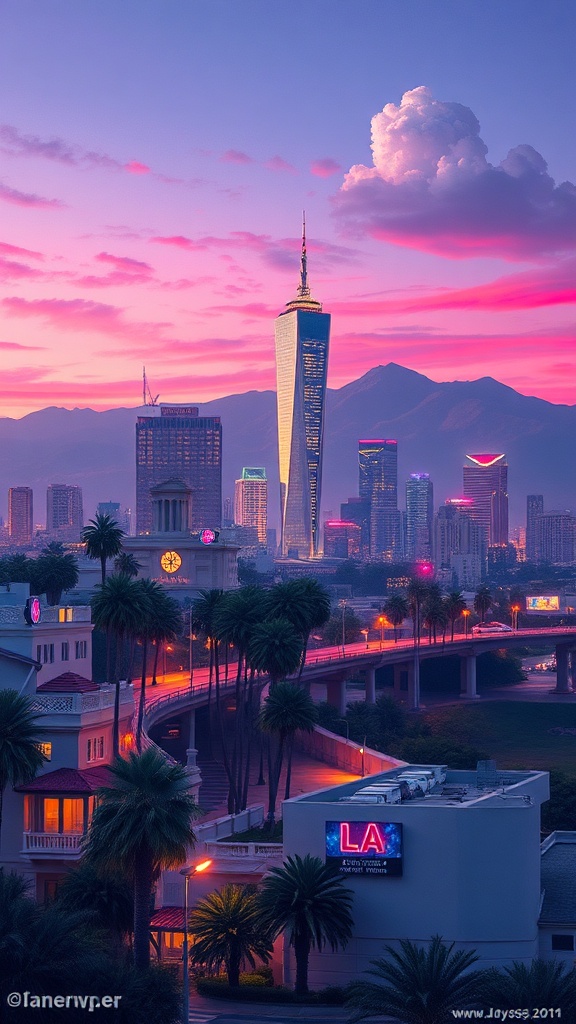
By embracing green infrastructure, water-wise landscaping, cleaner energy, and community preparedness, Los Angeles neighborhoods are becoming more resilient, healthier places to live and work — able to withstand and adapt to the climate stresses shaping daily life.