Los Angeles Urban Resilience: Water-Wise Landscaping, Drought Solutions & Heat-Reducing Design
Los Angeles is reinventing urban resilience — blending water-smart landscaping, heat-mitigating design, and cleaner transportation to make neighborhoods more livable and sustainable. With persistent drought cycles and rising temperatures, residents and planners are embracing practical strategies that cut utility bills, reduce heat, and improve public health.
Why Los Angeles needs resilient design
Los Angeles faces a unique mix of challenges: an urban heat island that raises temperatures across pavement and rooftops, aging water infrastructure, and sprawling development patterns that make efficient services harder to deliver.
Tackling these issues takes both big-picture policy and neighborhood-level action. Fortunately, many solutions are accessible to homeowners, renters, and business owners alike.
Water-wise landscaping that looks good
Drought-tolerant landscaping — sometimes called xeriscaping — has evolved beyond gravel and sparse succulents. Native California plants and Mediterranean-adapted species create vibrant, low-water gardens that support pollinators and reduce irrigation needs.
Key approaches:
– Replace thirsty turf with mixed groundcovers, native grasses, and flowering shrubs.
– Group plants by water need (hydrozoning) so irrigation is targeted and efficient.
– Use mulch to retain soil moisture and suppress weeds.
– Install drip irrigation and smart controllers that adjust to weather.
Keep your home cooler and cut energy use
Cooling costs spike when urban heat traps warmth. Simple retrofits help:
– Add shade trees or pergolas to block afternoon sun.
– Install cool roofs or reflective materials to lower rooftop temperatures.
– Seal air leaks and upgrade insulation where possible to keep conditioned air inside.
– Use ceiling fans and window shading to reduce reliance on air conditioning.
Capture water where it falls
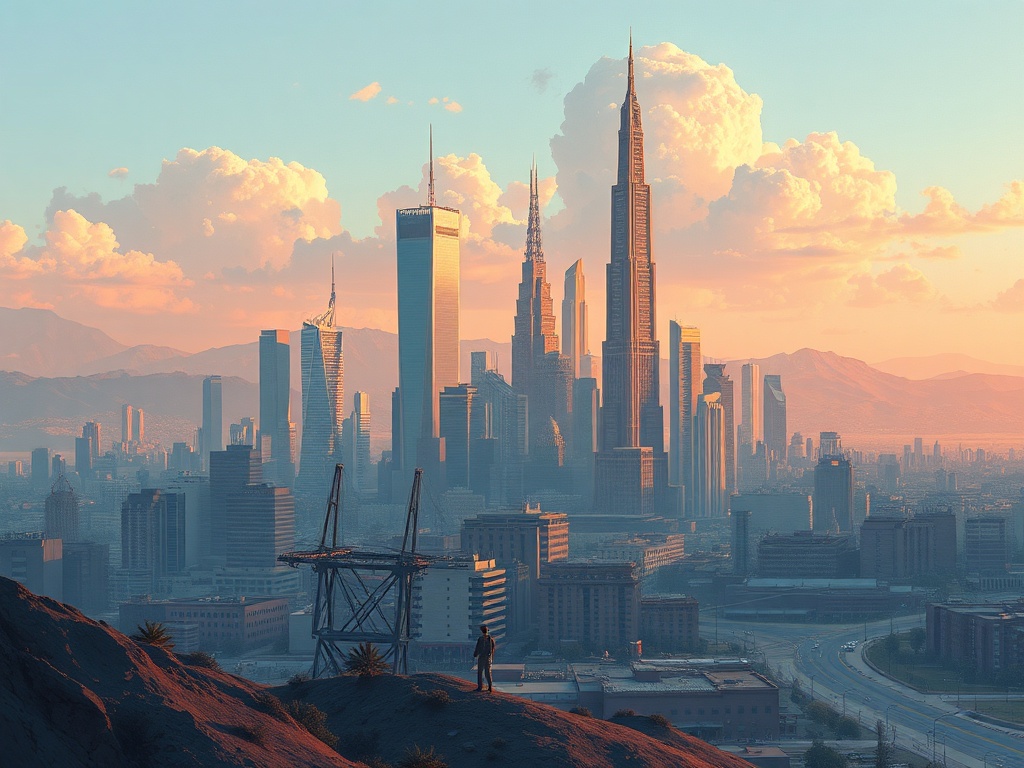
Rainwater harvesting and greywater reuse are practical ways to stretch local supplies. Rain barrels, cisterns, and systems that divert sink or laundry water for landscape irrigation reduce demand on treated water and can be scaled from a single home to multi-unit buildings. Check local guidelines to ensure safe and compliant installation.
Cleaner streets and better mobility
Transportation is a major contributor to urban emissions.
Los Angeles is shifting toward cleaner options with expanded transit, electric buses, and more bike- and pedestrian-friendly corridors.
For everyday travel, consider:
– Combining trips and using transit when possible.
– Choosing electric or hybrid vehicles if replacing a car.
– Supporting neighborhood safe routes and bike infrastructure for short trips.
Community benefits and economic upside
Greener, cooler neighborhoods increase property values, lower health risks tied to heat, and create more attractive commercial corridors. Local businesses benefit from pedestrian-friendly streetscapes, while community gardens and tree-planting programs strengthen neighborhood connections.
How to get started this weekend
– Audit your yard: map sun exposure, existing plants, and irrigation zones.
– Swap a portion of your lawn for drought-tolerant plantings or native pollinator beds.
– Add shade with a tree or a deciduous vine that cools in summer and allows sun in winter.
– Explore local rebate programs and landscape workshops offered by municipal utilities and community groups.
Los Angeles is adapting through practical, locally driven choices. Small investments in landscaping, water capture, shading, and cleaner mobility add up — creating cooler streets, healthier neighborhoods, and long-term savings for residents. Take one concrete step this week to make your block more resilient.