Red Carpet 2.0: How Sustainability, Inclusivity, and Tech Are Redefining Celebrity Style
The red carpet has evolved from a one-night spectacle into a powerful platform where fashion, values, and technology converge.
What once prioritized glamour above all now balances high style with sustainability, inclusivity, and digital savvy—shaping not only what celebrities wear but how the industry communicates and measures impact.
Sustainability as a statement
Sustainable choices are increasingly a visible part of red carpet narratives. Designers and stylists are favoring vintage couture, rental options, and upcycled pieces that tell a story while reducing waste. Eco-conscious fabric choices—like organic silk alternatives, low-impact dyes, and certified recycled materials—are emerging in high-profile looks. Jewelry and accessory rentals are also common, allowing show-stopping statements without a footprint of constant new production. Beyond garments, sustainable approaches extend to transportation, packaging, and carbon-offsetting show logistics, turning appearances into opportunities for responsible messaging.
Inclusivity and accessibility
The modern red carpet is more inclusive in sizing, gender expression, and adaptive design. Tailoring now accommodates diverse body types, while adaptive clothing features—magnetic closures, hidden seams, and wheelchair-friendly silhouettes—ensure elegance is accessible to more creators and stars. Representation matters on and off camera, and accessible red carpet setups (ramps, level walkways, clear sightlines) plus on-site services like captioned interviews and sign language interpreters help make the event welcoming for fans and press alike.
Beauty and grooming trends
Beauty choices favor skin-first routines and camera-optimized finishes. Long-wear, transfer-resistant products, breathable foundations, and targeted skincare deliver glow without excess shine under flash photography. Hair and nail statements remain bold—structured hair pieces, quick-change wigs, and sculptural nail art that reads well on camera.
Makeup teams also prioritize sustainability by using refillable palettes, cruelty-free formulas, and consciously sourced pigments.
Tech-forward red carpet experiences
Digital integration transforms how audiences experience the carpet. Livestreams, augmented reality filters, and interactive polls let fans participate in real time. Virtual showrooms and 360-degree product views help brands monetize looks via rentals, pre-orders, or digital collectibles linked to philanthropic campaigns.
Press kits are increasingly digital-first, with high-res images, video B-roll, and styling notes delivered for instant coverage.
Styling with the camera in mind
Red carpet garments must perform for photography and video. Matte or softly textured fabrics read better than overly reflective surfaces that can blow out under flash. Solid colors and well-scaled prints avoid moiré effects on high-resolution sensors. Fit is essential: clean lines and structured tailoring prevent wardrobe mishaps while moving and sitting. Lighting tests and on-site adjustments help ensure the final look translates from runway to screen.
Practical red carpet checklist
– Do a fit and movement test to confirm comfort and camera-friendly lines
– Check fabrics under bright light and flash to avoid glare or pattern distortion
– Favor rental, vintage, or upcycled pieces to reduce environmental impact
– Coordinate accessories and jewelry loans to manage resource use
– Ensure adaptive options and accessibility logistics for inclusive access
– Prepare digital press materials for immediate distribution
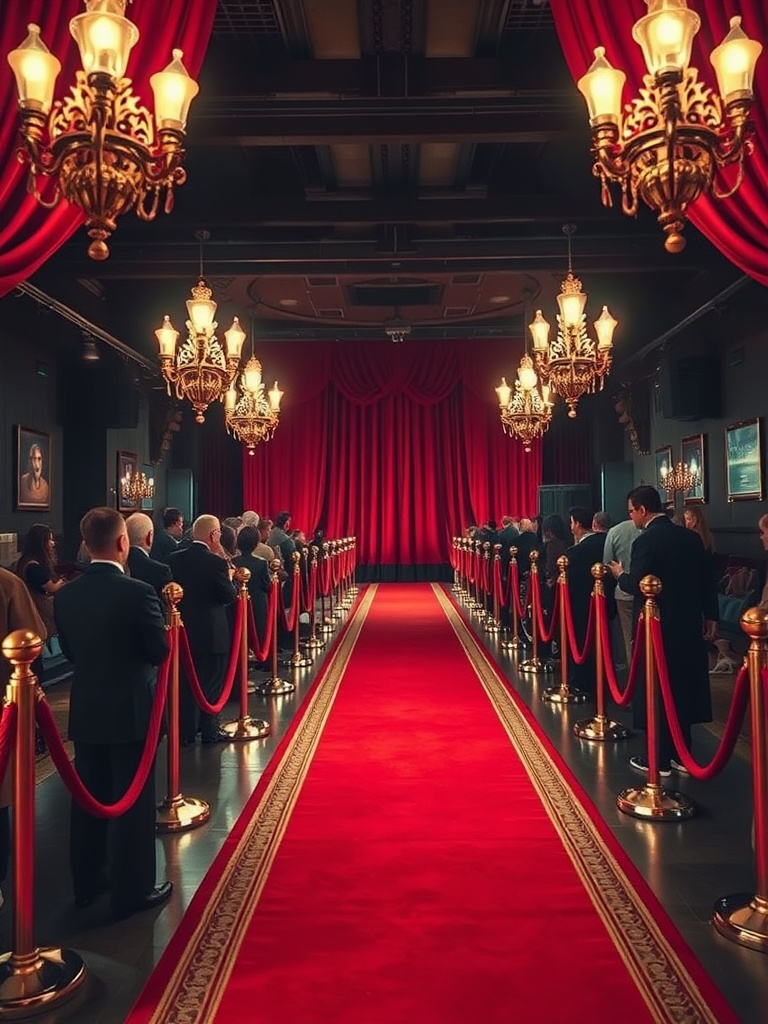
The red carpet remains a dynamic stage where style intersects with ethics and innovation. Whether your goal is an unforgettable fashion moment, a values-driven statement, or maximum digital engagement, thoughtful choices—from fabric to filming—bring durability and resonance to every step down the carpet.