Practical Effects Are Back: How Hybrid Filmmaking Restores Realism and Elevates Performance
Practical effects are making a noticeable comeback in filmmaking — and for good reason.
After decades of rapid CGI advances, audiences and creators are rediscovering the visceral, tactile qualities that physical effects bring to the screen. This shift isn’t about abandoning digital tools; it’s about blending techniques to create more convincing, emotionally resonant cinema.
Why practical effects matter
– Tangible realism: Practical elements—miniatures, animatronics, prosthetics, and on-set pyrotechnics—interact naturally with light and actors, producing imperfections that feel real. Those subtle irregularities often read as authenticity to viewers.
– Stronger performances: Actors respond differently when they share space with a real object or creature.
The physical presence of a prop or creature enhances eye-lines, timing, and emotional reactions, elevating the scene’s believability.
– Audience trust: With increasing scrutiny of digital effects, many viewers notice uncanny or overly perfect CGI. Practical effects can restore a sense of trust and immersion, especially in close-up, tactile moments.
– Cost and workflow balance: For certain shots, building a practical setup can be faster and more economical than a fully digital solution, especially when combined with targeted VFX touch-ups. Hybrid workflows reduce rendering time and allow for spontaneous creative decisions on set.
How filmmakers blend practical and digital
The most effective modern productions use a hybrid approach. Practical elements establish texture and interaction, while digital tools extend, clean up, or enhance what’s already there.
For example, an animatronic limb might be augmented digitally to add motion or remove rigging.
Miniature sets can be composited with large-scale digital environments to achieve grand, believable vistas without losing photoreal detail.
Practical effects also shape creative planning. Directors and cinematographers design lighting and camera moves around tangible elements, which informs digital artists how to match grain, shadow, and depth for seamless compositing. The result feels organic rather than patched together.
Trends driving the resurgence
– Audience fatigue with over-polished visuals has created demand for grit and texture.
– Filmmakers looking for unique signatures use practical effects to differentiate their work.
– Advances in materials science and robotics make practical effects more precise and durable than before.
– Behind-the-scenes content and social media have spotlighted craftsmanship, increasing appreciation for tangible artistry.
Spotting practical effects as a viewer
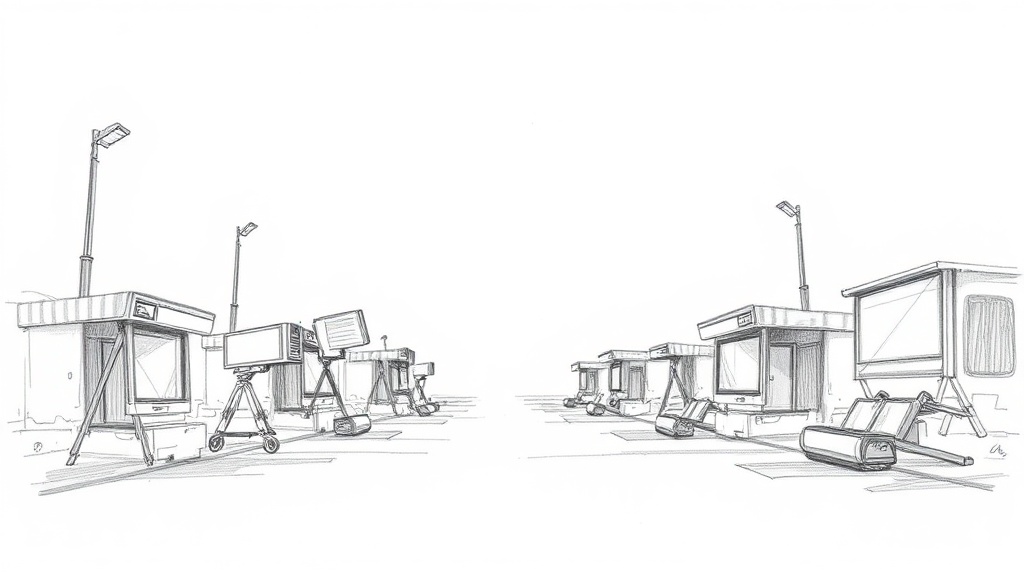
Look for small inconsistencies that enhance realism: slight fabric movement, natural shadows that shift with camera motion, imperfect surface textures, and organic interactions between actors and props. Behind-the-scenes featurettes, interviews with effects teams, and production stills reveal how physical and digital elements were combined.
Practical tips for filmmakers
– Start with a test: Build a small-scale practical element and shoot it under the intended lighting to see how it reads on camera.
– Plan for hybrid: Decide early which parts will be practical and which will be enhanced digitally—this avoids expensive reworks.
– Prioritize interaction: Wherever an actor needs to touch or react, favor practical solutions to preserve genuine performance.
– Document everything: High-quality on-set reference photography and HDR light probes ensure digital artists can match practical textures precisely.
The renewed focus on practical effects signals a maturing industry that values both craft and technology. By choosing the right mix of hands-on artistry and digital finesse, filmmakers can deliver more immersive stories that resonate with audiences long after the credits roll.