How Short-Form Video and Eventized Releases Are Reshaping Entertainment Marketing
How short-form video and eventized releases are reshaping entertainment marketing
The way people discover and talk about movies, shows, and music has shifted dramatically.
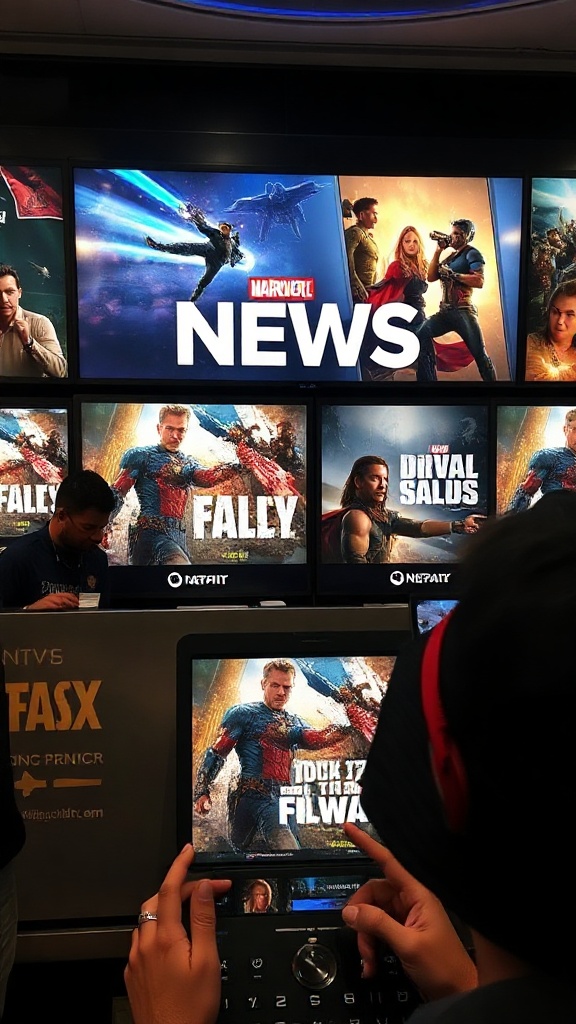
Short-form video platforms and a move toward “eventized” releases are driving not just how content is promoted, but how it’s made. For entertainment brands and creators, understanding these forces is essential for building buzz that converts to streams, tickets, and cultural conversation.
Why short-form video matters
Short-form platforms have become the default discovery channel for younger audiences. Bite-sized clips—30 to 60 seconds or less—are ideal for viral moments: a catchy soundtrack, a memorable line, a quick stunt, or a relatable reaction. Because algorithms favor engagement, pieces of content that spark duet chains, remixes, or reactions can amplify promotional reach exponentially without large ad spends.
Music and sound play a major role. A single hook used in thousands of user-generated clips can propel a soundtrack onto playlists and charts. For film and TV, a short, iconic trailer moment can become a meme that keeps a title top of mind in the crowded entertainment landscape.
Eventized releases: creating watercooler moments
To cut through subscription fatigue and endless content choices, studios and networks are increasingly treating premieres as events. Tactics include surprise drops, limited theatrical windows, global premiere events, live watch parties with talent, and staggered short-form campaigns that escalate to a single peak moment. These strategies create urgency and shared experiences that raw release schedules rarely achieve.
Eventized approaches also give marketers a reason to partner with influencers and creators for time-sensitive promotions, driving real-time engagement and measurable spikes in search, social mentions, and ticketing or streaming activity.
What works now: concrete tactics
– Lead with the hook: Short-form content needs an immediate payoff. Open with a striking visual, catchy lyric, or provocative line in the first three seconds to stop scrolling.
– Native creative, not repurposed ads: Tailor assets to platform behaviors—vertical framing, captions for sound-off playback, and formats that invite remixes (challenges, duets, filters).
– Layered campaign arcs: Use multiple phases—teaser clips to seed curiosity, longer behind-the-scenes pieces to deepen interest, then live or time-limited events to convert attention into action.
– Amplify through creators: Partner with micro- and macro-influencers who align with the title’s tone. Authentic endorsements and early-access reactions often outperform traditional trailers in engagement-per-dollar.
– Tie soundtracks to user creativity: Encourage UGC with downloadable stems or a branded audio tag. When fans create, the content markets itself.
– Measure beyond views: Track engagement rates, comment sentiment, hashtag adoption, and conversion metrics like ticket pre-sales or streaming sign-ups to evaluate impact.
What creators should keep in mind
While virality can’t be guaranteed, strong creative fundamentals increase the odds. Focus on clear, repeatable moments—lines, gestures, or visuals that audiences can imitate or remix.
Maintain authenticity; campaigns that feel forced or too sales-focused tend to underperform.
As discovery habits evolve, the most successful entertainment campaigns blend imagination with platform-native execution. Short-form video sparks attention, and smart eventization turns that buzz into shared cultural moments that stick long after a trailer fades from feeds.