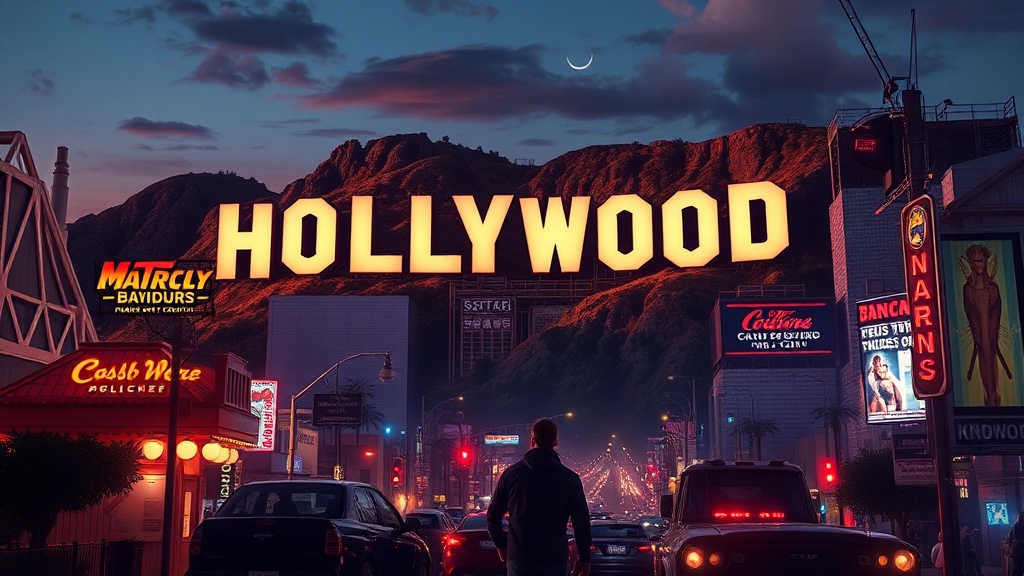
How Hollywood Is Evolving: Streaming, Franchise Fatigue, Diversity, Virtual Production & Sustainability
Hollywood is evolving faster than ever, and the changes reshaping the industry affect what shows and films get made, how audiences watch them, and the kinds of stories that break through. For anyone curious about the business behind the glamour, these are the major forces driving Hollywood forward.
Streaming platforms have permanently altered distribution strategies. While theatrical releases remain vital for tentpole blockbusters and awards-season contenders, streaming services increasingly influence which projects get greenlit.
Studios balance the prestige of a big-screen premiere with the guaranteed reach and data-driven targeting of streaming. The result: more hybrid release strategies, premium video-on-demand windows, and carefully timed streaming debuts that extend a title’s revenue life beyond its box office run.
Franchise fatigue is another persistent topic. Audiences still flock to established intellectual property, but there’s growing appetite for originality and risk-taking.
Studios are responding by pairing franchise entries with smaller, auteur-driven films to diversify slates. This mixed approach helps mitigate financial risk while giving filmmakers room to innovate. Mid-budget films with strong concepts and clear marketing are enjoying renewed attention because they can yield big cultural returns without blockbuster budgets.
Diversity and inclusion are making tangible advances across writing rooms, casting, and executive ranks. Stories from underrepresented communities are gaining mainstream traction, and audiences are rewarding authentic storytelling.
This shift is influencing casting choices, commissioning practices, and the kinds of narratives that reach global audiences. Inclusive hiring not only broadens creative perspectives but also drives commercial success through fresh voices and untapped markets.
Technological innovation continues to transform production.
Virtual production techniques, including LED volumes and real-time rendering, let filmmakers craft immersive environments more efficiently, reduce location costs, and accelerate previsualization.
These tools also expand creative freedom, enabling elaborate world-building for both streaming series and theatrical films while keeping production logistics more controllable.
Sustainability has moved from a niche concern to a core production consideration. Studios and production companies are adopting green-set practices, reducing single-use plastics, implementing carbon offset strategies, and prioritizing energy-efficient lighting and transport. These measures lower costs over time and respond to audience and talent expectations for responsible filmmaking.
Global box office dynamics are shaping storytelling and casting strategies. International markets increasingly contribute to a title’s revenue, prompting producers to consider global appeal without losing cultural specificity. Co-productions and international talent collaborations are more common, helping projects resonate across regions and unlock additional financing streams.
Marketing and promotion have also evolved. Social media remains a dominant force, but sophisticated data analytics now guide campaign decisions, from trailer edits to release timing. Talent-driven engagement—where stars interact directly with fans—can amplify buzz, but studios are careful to craft cohesive narratives that translate across platforms and cultures.
Independent cinema and prestige projects retain an essential place in Hollywood’s ecosystem. Film festivals and specialty labels continue to be launchpads for distinctive voices, offering alternate routes to critical acclaim and commercial success. When indie films break through, they often influence mainstream studios, proving that smart storytelling still trumps spectacle.
Audiences can expect a more varied entertainment landscape: blockbuster events will coexist with intimate dramas, global collaborations will broaden perspectives, and technology will keep pushing the boundaries of what’s possible on screen. For viewers and creators alike, Hollywood’s current transformation promises both challenges and opportunities, all centered on compelling stories delivered in smarter, more sustainable ways.